
Quick answer
Tanzanite is a rare blue to violet gemstone mined only in the Mererani Hills of northern Tanzania, prized for its trichroism that flashes blue, violet and burgundy from different angles. Though not mined in Kenya, Silver Oak in Nairobi sets certified imported tanzanite into 925 sterling silver rings, pendants and earrings with full origin documentation.
Kenya is known for many beautiful gems, but none more mystical and alluring than tanzanite. From its striking blue‐violet hue to the rarity that defines its value, tanzanite has become a symbol of luxury and exclusivity. In this guide, we will explore the origin, properties, how to buy, and care tips for tanzanite. Whether you’re drawn to an elegant ring, pendant, or earrings, this guide will help you appreciate Kenya’s precious gemstones fully.
Key takeaways
- Tanzanite is found only near Mount Kilimanjaro in Tanzania, making it roughly a thousand times rarer than diamond.
- Its trichroism shows blue, violet and burgundy hues from different angles, which drives most of its value.
- Mohs hardness of 6 to 7 means tanzanite needs gentler wear and storage than sapphire or diamond.
- Almost all tanzanite is heat treated to deepen colour; untreated stones command a significant premium.
- Kenya does not mine tanzanite, so buyers should ask for GIA or IGI certification and import documentation.
- At Silver Oak in Nairobi, tanzanite pieces ship with authenticity papers and gram weight printed on the invoice.
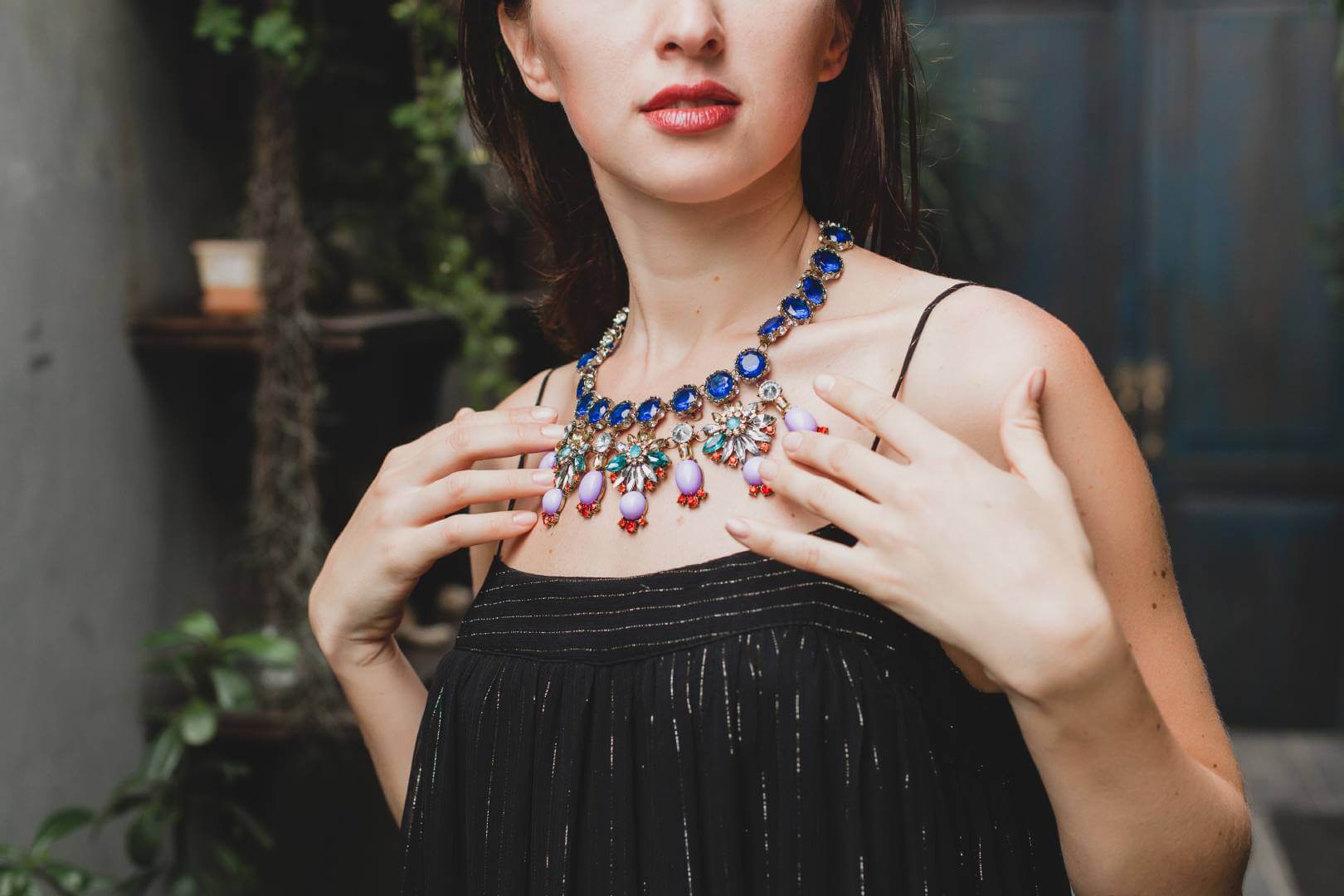
What is Tanzanite?
Tanzanite is a blue to violet gemstone discovered in 1967, known for its trichroism, showing different colours when viewed from different angles.
It’s a variety of the mineral zoisite, found almost exclusively in the foothills of Mount Kilimanjaro, Tanzania.
History & Origin
Discovered in the Mererani Hills of northern Tanzania. Tanzania remains the only place in the world with commercially viable deposits of tanzanite.
Introduced to the global market by Tiffany & Co., which coined the name “tanzanite.”
Though not mined in Kenya, the gem is popular here, imported under strict quality standards, and set into jewellery by Kenyan artisans.
Physical & Optical Properties
Property | Details |
Hardness | 6, 7 on Mohs scale, softer than sapphire or diamond, more fragile under rough wear. |
Colour / Pleochroism | Strong blue, violet, sometimes burgundy or reddish hues depending on angle/perspective. |
Luster | Vitreous (glass‐like) finish when polished. |
Clarity | Eye‐clean stones preferred; inclusions affect value. |
Treatments | Usually heat-treated to enhance the blue/violet colours. |
Grading Tanzanite: Colour, Clarity, Cut & Carat
Colour: The most important factor. The deeper, more saturated the blue‐violet, the more valuable. A pure saturated blue is rare.
Clarity: Most tanzanite has inclusions; stones that are eye‐clean are prized.
Cut: Good cut maximizes the trichroic effect and shows off colour. Common cuts: cushion, oval, brilliant.
Carat: Larger tanzanite stones are rare and increase in value non‐linearly because of the scarcity of large, clean stones.
Tanzanite in Kenya: Mining, Trade & Legal Aspects
While Kenya doesn’t produce tanzanite, there is a bright trade. Importers must ensure certification, origin documentation, and ethical sourcing.
Silver Oak ensures all tanzanite pieces come with authenticity guarantees and proper documentation.
Legal importation and gems regulation in Kenya are governed by the Ministry of Mines & Petroleum; always ask for proof.
How to Buy Authentic Tanzanite
Verify certificates from recognised gem labs (e.g. GIA, IGI).
Ask about heat treatment, most tanzanite is heat treated; untreated natural violet or burgundy hues are rare and expensive.
Examine colour under different lighting: natural daylight vs LED/incandescent.
Inspect for inclusions or fractures.
Buy from reputable jewellers, such as Silver Oak, offering guarantees.
Use internal links to your site: For example, browse our rings, pendants, or earrings collections to see tanzanite settings.
Caring for Tanzanite Jewellery
Avoid ultrasonic or steam cleaners.
Clean with a soft cloth and warm, soapy water.
Store separately from harder gemstones (like sapphire or diamond) to prevent scratching.
Remove jewellery before doing physical or chemical work (detergents, makeup etc.)
Tanzanite Jewellery Styles & Trends
Halo settings to accentuate colour.
Mixed metal designs, rose gold accentuates violet tones.
Modern minimalist cuts for everyday wear (e.g. pendants, small studs).
Statement pieces for special occasions.
Conclusion:
Tanzanite is more than just a gemstone, it’s a deep, vivid expression of luxury, beauty, and rarity. In Kenya, though not mined locally, it has found a home in fine jewellery via trusted providers like Silver Oak, ensuring authenticity, quality, and timeless design.
Explore our Tanzanite jewellery pieces: check out the pendants, earrings, and rings pages to find your perfect piece.
Frequently asked questions
How much does tanzanite cost in Kenya?
Tanzanite pricing in Kenya tracks colour saturation, clarity and carat weight rather than a flat per-gram rate. Smaller commercial-grade stones set in 925 sterling silver pendants or studs typically start in the lower five figures of (current price on silveroak.co.ke or WhatsApp), while a deeply saturated, eye-clean stone above one carat can move well into six figures. Visit any Silver Oak store at Imaara, Capital Centre, Diamond Plaza or The Nord for a live quote against the stone you choose.
Is tanzanite mined in Kenya?
No. Tanzanite is mined commercially in only one place on earth, the Mererani Hills in northern Tanzania at the foot of Mount Kilimanjaro. Kenya has an active import and retail trade governed by the Ministry of Mines and Petroleum, so reputable Nairobi jewellers bring stones in with certification and origin papers. Silver Oak imports tanzanite under those standards and sets each piece in 925 sterling silver at our in-house atelier.
What makes tanzanite so valuable?
Three things drive tanzanite value. First, geographic scarcity, since the only commercial deposit sits in a small mining area in Tanzania that is expected to deplete within a generation. Second, trichroism, the optical effect where one stone shows blue, violet and burgundy from different angles. Third, the difficulty of finding large stones that are both deeply saturated and eye-clean. A vivid blue-violet stone above two carats is genuinely rare.
How do I know if my tanzanite is real?
Ask for a certificate from a recognised lab such as GIA or IGI, and inspect the stone in three light sources, natural daylight, LED and incandescent. Real tanzanite shifts hue between blue and violet as you tilt it, glass and synthetic imitations do not. Check for vitreous lustre, eye-clean clarity, and a clean cut. At Silver Oak we issue an invoice with gram weight and stone details for every tanzanite piece sold.
Where can I buy authentic tanzanite jewellery in Nairobi?
Silver Oak stocks certified tanzanite set in 925 sterling silver across four Nairobi locations, Imaara Mall, Capital Centre, Diamond Plaza and The Nord, plus our online store. Each piece arrives with authenticity documentation, import paperwork where applicable, and gram weight printed on the invoice. Bring a friend along for a second eye, our consultants will walk you through colour grading, cut and care side by side at the counter.
How do I care for tanzanite jewellery?
Treat tanzanite gently. Skip ultrasonic and steam cleaners, both can fracture the stone along its natural cleavage. Clean it at home with warm water, a drop of mild soap and a soft cloth, then dry it well. Store tanzanite separately from harder stones like sapphire and diamond so it does not get scratched. Remove the piece before housework, gardening, swimming or applying perfume and lotion.