
Quick answer
In Kenya, tradition holds that the man buys the engagement ring and each partner buys the other's wedding band. Today most urban couples choose rings together and split the cost. Silver Oak Jewellers, Nairobi's premium silver house, guides couples through both routes with 925 sterling silver and gemstone designs.
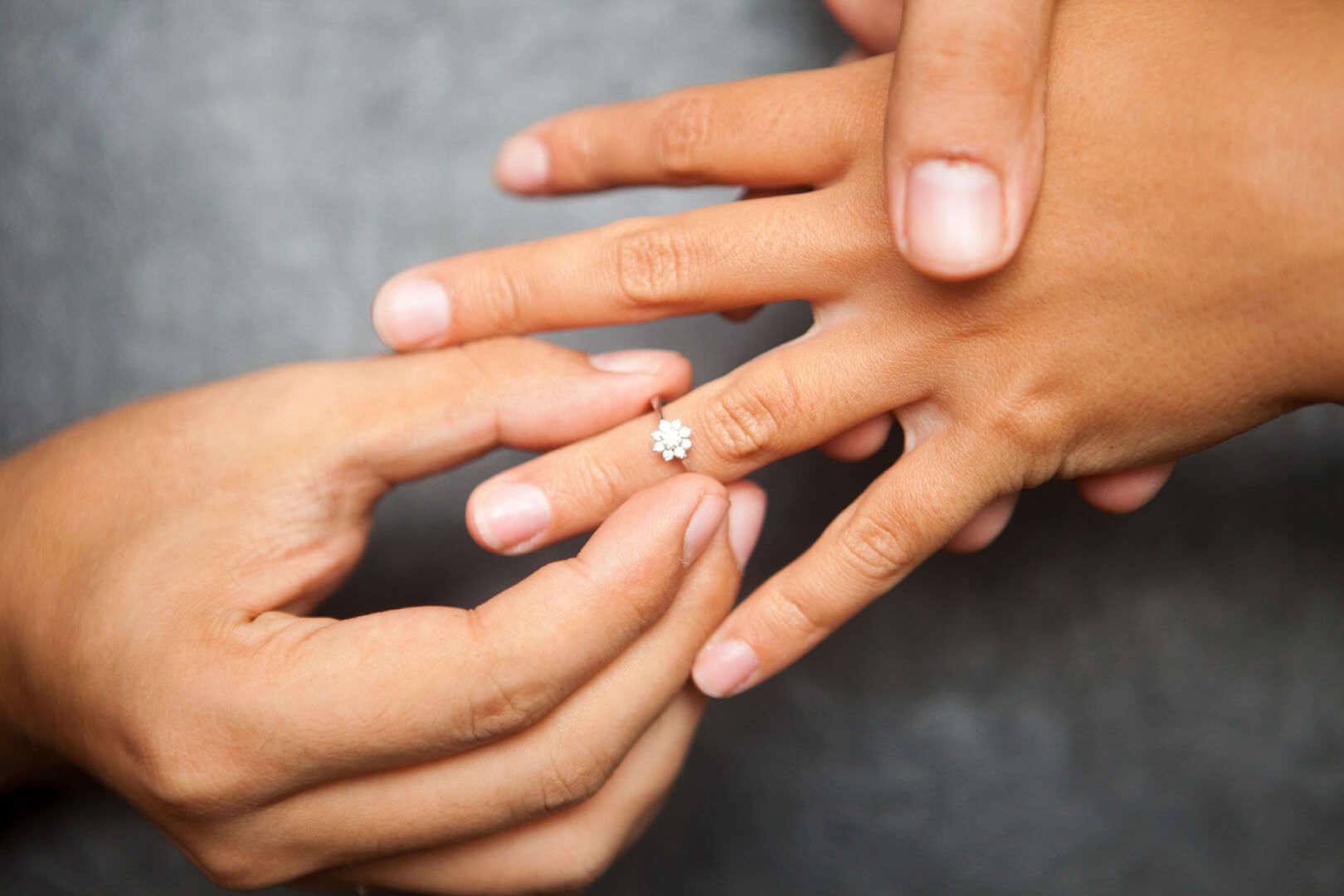
In every love story, rings play a defining role. They are symbols of devotion, unity, and the promise of a shared future. In Kenya, these cherished pieces are much more than accessories, rings mark life’s most meaningful milestones. Yet many couples still grapple with an age-old question: who buys what?
Key takeaways
- Tradition in Kenya: the man buys the engagement ring as a symbol of intent.
- Modern urban couples often choose rings together and split the cost openly.
- Wedding bands are increasingly bought as a matched set, signalling partnership.
- Rings sit alongside ruracio and koito ceremonies, not inside the dowry itself.
- Anniversary, eternity and promise rings let couples mark later milestones too.
- Pick a trusted Nairobi jeweller for sizing, 925 stamping and lifelong aftercare.
Understanding couples’ ring etiquette in Kenyacan help you make confident choices that honor tradition while embracing modern love. At Silver Oak Jewellers Kenya, we’ve guided countless couples through this timeless decision, ensuring each piece carries both cultural significance and personal meaning.
The Engagement Ring: Traditionally bought by the man, but evolving fast
For generations, the engagement ring has been a symbolic gesture from the man to his partner. Traditionally, the groom-to-be would select and purchase the engagement ring himself, often surprising his partner during the proposal.
This practice remains strong in Kenya, especially in communities where engagement ceremonies are deeply rooted cultural events. The ring symbolizes the man’s intention, commitment, and readiness to take the next step.
Modern Shift: Shared Decisions & Shared Costs
In today’s Kenyan urban culture, especially among young professionals, the trend is shifting. Modern couples frequently:
Choose the engagement ring together
Split the cost
Upgrade rings over time
Prioritize personalization over tradition
This change reflects mutual respect, financial partnership, and shared decision-making. Silver Oak Jewellers has seen a rise in couples walking in together to explore diamonds, gemstones, and elegant gold bands that reflect their unique journey.
Tradition says the man buys the engagement ring, but modern love allows room for collaboration, co-investing, and creative expression. The right choice is the one that fits your relationship.
Wedding Bands: A Shared Responsibility
Wedding rings are where tradition and modernity blend beautifully. In many Kenyan communities, the wedding bands are purchased jointly as a symbol of unity.
Traditionally, it worked this way:
The man buys the woman’s wedding band, often matching her engagement ring.
The woman buys the man’s band, signifying reciprocity.
Today, however, most couples prefer to:
Choose matching sets
Purchase both bands together
Split the cost
Select rings that reflect personal style rather than strictly matching designs
At Silver Oak Jewellers Kenya, couples often explore a range of silver and gemstone-accented designs that complement their engagement pieces while reflecting their individuality.
Why Joint Purchases Are Becoming Popular
It reinforces the idea of partnership.
Allows couples to balance costs according to their budget.
It makes the decision-making process exciting and memorable.
Wedding bands symbolize lifelong commitment, and choosing them together only strengthens that bond.
Dowry & Cultural Considerations
Engagement and wedding rings are sometimes influenced by traditional marriage processes, including dowry discussions. In some Kenyan cultures, a ring may be gifted during ruracio or koito ceremonies as part of formalizing intentions.
While rings are typically not part of dowry, they complement the ceremonial process. Couples often plan ring purchases around these events, making sure the timing aligns with cultural expectations.
The beauty of Kenyan cultural diversity is that etiquette varies, but the meaning behind the rings remains universally significant.
Who Buys Anniversary or Promise Rings?
Anniversary, eternity, or promise rings offer opportunities to reaffirm love beyond the wedding day.
Common practices in Kenya include:
Husbands gifting anniversary rings during major milestones like year 1, 5, or 10
Promise rings exchanged mutually, especially in younger couples
Eternity rings gifted during significant life events such as childbirth or new beginnings
These pieces hold sentimental value, and at Silver Oak Jewellers, couples often return to build on the story that began with their engagement rings.
How to Decide What Works for Your Relationship
While culture inspires etiquette, today’s couples prioritize what feels personal and authentic. Here are tips to guide your decision:
- Have an Open Conversation
Discuss expectations, financial comfort, and personal preferences early. Transparency avoids pressure and strengthens understanding.
2. Consider Your Budget Together
Whether one partner buys the rings or you split the cost, define a comfortable range and stick to it.
3. Choose Rings That Reflect Your Story
Think beyond trends. What colors, stones, or designs mirror your personalities? Do you prefer classic silver bands, dazzling solitaires, or custom engravings?
4. Visit a Trusted Jeweller
A reputable jeweller provides guidance, sizing, gemstone explanations, and quality assurance, essential when making lifelong investments.
Conclusion: Why Silver Oak Jewellers Kenya Is the Perfect Partner for Your Ring Journey
Silver Oak Jewellers understands that every couple’s journey is unique. With years of expertise in Kenyan jewellery culture and a curated selection of engagement rings, wedding bands, and anniversary pieces, we help you make choices that honor tradition while celebrating your future.
Our collection combines craftsmanship, elegance, and meaning, ensuring your rings don’t just sparkle; they tell your story.
Ready to choose engagement rings or wedding bands that reflect your love and cultural values? Visit Silver Oak Jewellers Kenya today and let our experts guide you to pieces that become treasured symbols of your forever.
Frequently asked questions
Who traditionally buys the engagement ring in Kenya?
By tradition, the man buys the engagement ring on his own and presents it at the proposal as a sign of intent and readiness. The practice still holds across many Kenyan communities, especially where formal engagement ceremonies are central to the union. In Nairobi, younger couples increasingly shop together at Silver Oak Jewellers, choose the stone jointly, then let the partner handle payment privately.
Is it acceptable for a Kenyan couple to split the cost of the engagement ring?
Yes, splitting the cost is now common among young professionals in Nairobi and other urban centres. It reflects mutual respect, financial partnership and a shared decision about a piece worn for life. Many couples set a joint budget, pick the design together and divide the bill in proportion to income. At Silver Oak Jewellers we hold the ring with a deposit while couples finalise the split.
Who buys the wedding bands in a Kenyan wedding?
The older custom is reciprocal: the man buys the woman's band and the woman buys the man's, so each ring is a gift from the other. Most couples today simplify this by choosing a matched set and paying together, often on the same Silver Oak invoice. Either route works. What matters is that both bands are sized correctly and stamped 925 if silver, with gram weight recorded for your records.
Are engagement rings part of the dowry in Kenyan culture?
Engagement and wedding rings are not part of the dowry itself. Dowry, known as ruracio in Kikuyu or koito in Kalenjin custom, is a separate negotiation between families. Rings often appear around these ceremonies as a personal commitment between the couple, distinct from family obligations. Many couples time the ring purchase to follow the formal family meetings, so the ring is presented once intentions have been blessed.
How much should a couple in Kenya spend on engagement and wedding rings?
There is no fixed rule in Kenya. Most couples set a comfortable joint budget based on combined income and other wedding costs rather than the old two-month-salary idea. A 925 sterling silver engagement ring with a quality gemstone typically starts in the lower KSh range and rises with stone size and design. Visit Silver Oak Jewellers at Imaara, Capital Centre, Diamond Plaza or The Nord to see bands across budgets.
Who buys anniversary or promise rings in Kenya?
Anniversary rings are usually gifted by the husband at milestones such as the first, fifth or tenth year, often as an upgrade or eternity band that complements the original set. Promise rings are commonly exchanged mutually, especially by younger couples not yet ready for a formal engagement. Eternity rings often mark life events like the birth of a child. Many Silver Oak couples return to extend the story their engagement ring began.
What should a Kenyan couple look for when buying rings together?
Look for clear sizing, a visible 925 stamp on silver pieces, gram weight noted on the invoice, and proper aftercare such as cleaning and resizing. Ask about the gemstone source, the setting method and warranty terms in writing. A reputable in-house atelier should let you see options side by side and adjust designs. Silver Oak Jewellers offers all of this across our Nairobi showrooms and online, with guidance from staff who handle the metal daily.