
Quick answer
CVD diamonds are real diamonds grown in a laboratory using chemical vapour deposition, with the same pure carbon structure as mined diamonds. Both score 10 on the Mohs scale, certify with GIA or IGI, and look identical to the eye. The main differences are origin, price, and environmental footprint.
Timeless Sparkle, Modern Innovation
Diamonds have always carried meaning. Elegance, love, milestones, and quiet luxury. Yet one question keeps surfacing at our counters across Nairobi: what is the real difference between a CVD diamond and a mined diamond? The honest answer is that both are diamonds in every chemical and optical sense, and the choice between them comes down to origin, price, and the values you want your jewellery to reflect. When investing in fine pieces, whether a bracelet or a pendant, authenticity matters more than label. Both options pass the test.
Key takeaways
- CVD and mined diamonds share the same carbon composition and 10 Mohs hardness.
- Both certify under GIA or IGI using the same 4Cs grading standard.
- CVD costs less per carat, so the same budget buys a larger stone.
- Mined diamonds carry natural inclusions; CVD stones grow under cleaner lab conditions.
- Only specialised equipment can tell the two apart by sight.
- Silver Oak supplies both options across Nairobi stores and online.
Every diamond Silver Oak supplies, lab grown or earth mined, is graded against the same 4Cs framework:
- Cut
- Clarity
- Colour
- Carat
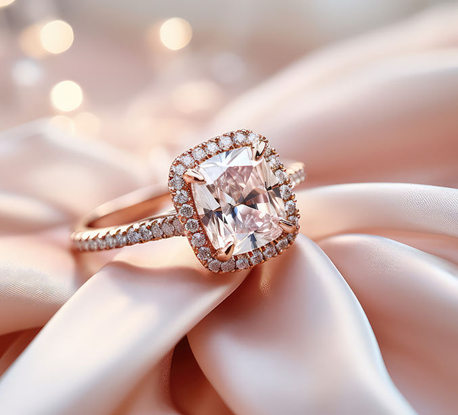
The key differences between CVD diamonds and real diamonds
| Feature | CVD diamonds | Mined diamonds |
| Origin | Grown in a controlled carbon chamber over a few weeks, replicating the conditions that form natural stones | Formed naturally deep within the earth's mantle over billions of years |
| Composition | 100 percent pure crystalline carbon | 100 percent pure crystalline carbon |
| Appearance | Visually identical, with high clarity and brilliance | Natural inclusions add a unique signature to each stone |
| Price | More affordable per carat, so the same budget buys a larger stone | Rarity and mining costs push pricing higher |
| Sustainability | Lower carbon footprint and no mining impact | Mining is resource-intensive, though the industry continues to move toward ethical sourcing |
| Certification | Certified by the International Gemological Institute (IGI) or the Gemological Institute of America (GIA) | Certified by GIA and other major laboratories |
Did you know? Even experienced gemologists need specialised spectroscopy equipment to separate a CVD stone from a mined one. The naked eye cannot do it. Neither can a standard jeweller's loupe.
What stays the same
Whether you choose a solitaire engagement ring, a pair of earrings, or a tennis bracelet, the visible result is the same captivating glimmer. Both diamond options carry the markers of luxury, and both will outlast a lifetime of daily wear. They share:
- Hardness of 10 on the Mohs scale, the highest possible
- Identical optical brilliance and fire
- Generational longevity with proper care
- Independent certification from GIA or IGI
At Silver Oak, every diamond is set into 18 karat gold or platinum, finished in our in-house atelier, and supplied with a written grading certificate and gram weight on the invoice. You receive the same after-sales service either way, including resizing, polishing, and prong inspection at any of our Nairobi stores.
How a CVD diamond is grown
CVD stands for chemical vapour deposition. The process begins with a small slice of diamond, called a seed, placed inside a sealed chamber. The chamber fills with a carbon-rich gas mixture, usually methane and hydrogen, then heats to several hundred degrees. Microwave energy breaks the gas down, and carbon atoms settle layer by layer onto the seed. Over a few weeks the seed grows into a rough diamond, ready for cutting and polishing exactly the way a mined rough is finished. The atomic structure that emerges is indistinguishable from a stone formed beneath the earth.
How to choose between CVD and mined
The decision rarely comes down to physics. It comes down to story, budget, and the values you want the piece to carry.
Choose mined if the romance of a stone formed over billions of years matters to you, or if you value the longer-established secondary market that mined diamonds carry. The natural inclusions also give each stone a one-of-one fingerprint that some clients prefer. A mined diamond often suits heirloom pieces meant to pass down the generations.
Choose CVD if you want more visible carat weight for your budget, or if a lower environmental footprint matters in your buying decisions. CVD also suits clients commissioning a bespoke piece with a larger centre stone, since the price advantage compounds with size. It is a strong fit for modern engagement rings, statement cocktail pieces, and second-stone upgrades.
Either way, the brilliance on the finger reads the same, and the certificate in the box proves it.
Caring for your diamond, however it was grown
Diamonds are the hardest natural material on earth, but the metal around them is not. Gold and platinum settings still scratch, prongs still loosen, and dust still dulls the light return on any stone. Bring your piece in to any Silver Oak store every twelve months for a complimentary clean and prong check. Our atelier polishes the metal, tightens the setting, and restores the original light play. Store your diamond pieces separately in a soft pouch to prevent the stones scratching softer gemstones in the same box.
The Kenyan diamond buyer in 2026
Diamond demand in Nairobi has shifted in the last five years. Younger couples ask about origin, sustainability, and traceability the way previous generations asked only about carat and price. CVD answers most of those new questions cleanly, which explains why lab-grown share of our diamond sales has climbed every quarter. Mined diamonds still lead in solitaires above two carats and in heirloom recuts, where provenance carries weight. The split is roughly even now, and we expect that balance to hold as supply on both sides matures. Whichever side a client lands on, the Silver Oak promise stays the same: certified stones, finished settings, and the after-sales relationship that built our name.
Conclusion
The choice between CVD and mined diamonds is personal. Some clients love the historical depth of an earth-mined stone. Others prefer the modern logic of a lab-grown one. Both deliver the same sparkle, the same hardness, and the same certification. Both are real diamonds.
Visit Silver Oak at Imaara, Capital Centre, Diamond Plaza, or The Nord to compare the two side by side, or browse the collection online. Whichever you choose, you walk away with a certified diamond, a 925 stamp on every silver setting, and the quiet confidence of Nairobi's premium silver house behind it.
Frequently asked questions
Are CVD diamonds real diamonds?
Yes. CVD diamonds are chemically and optically identical to mined diamonds. They are 100 percent crystalline carbon, score 10 on the Mohs hardness scale, and refract light the same way. The only practical difference is origin: CVD stones grow inside a controlled carbon chamber over a few weeks, while mined stones form deep in the earth over billions of years. Both certify under the same 4Cs framework.
How much cheaper are CVD diamonds compared to mined diamonds in Kenya?
CVD diamonds typically cost 40 to 70 percent less than a comparable mined stone of the same cut, clarity, colour, and carat. At Silver Oak the saving lets you size up by a full carat band or invest in a more refined setting for the same KSh budget. Final pricing depends on the stone grade and the design you select, so visit any Silver Oak store for a written quote.
Can a jeweller tell a CVD diamond from a mined diamond?
Not by eye alone. CVD and mined diamonds look identical to the naked eye and under a standard loupe. Identification requires spectroscopy equipment that reads fluorescence and growth patterns, the kind held by GIA and IGI labs. Every diamond Silver Oak supplies arrives with a grading certificate that states origin clearly, so you always know whether your stone is lab grown or earth mined.
Which is better for an engagement ring, CVD or mined?
Neither is better. Both deliver the same brilliance, durability, and certification. The right choice depends on what matters to you. Pick mined if you value the romance of a stone formed over billions of years. Pick CVD if you want more carat weight for the budget, or prefer a smaller environmental footprint. Silver Oak carries both in solitaire, halo, and three-stone settings.
Do CVD diamonds hold their value?
CVD diamonds hold sentimental and functional value as well as any diamond, since the physical stone never degrades. Resale behaviour is different to mined diamonds, which have a longer-established secondary market. Silver Oak treats every diamond purchase, lab grown or mined, as a long-term piece. Each stone is certified, set in 18 karat gold or platinum, and supported by our in-house atelier for resizing and refurbishment.