
Quick answer
Diamond colour is graded D to Z, where D is fully colourless and Z carries a light yellow tint. The closer a stone sits to D, the rarer it is and the higher the price per carat. Most buyers in Nairobi pick from the G to J range for visible brilliance at a kinder price.
What diamond color really means
The beauty beneath the sparkle of every diamond is described as timeless, a reflection of light, love, and luxury. But among the ‘Four Cs’ (Cut, Color, Clarity, Carat), color plays an important part in determining a diamond’s value and visual appeal. It defines a diamond’s character and worth. Color doesn’t refer to bright hues but rather the presence or absence of color. Understanding this balance helps one make an informed choice, whether you’re selecting an engagement ring, pendant, or an heirloom piece.
Key takeaways
- Diamond colour runs D (colourless) to Z (light tint) on the GIA scale.
- D to F stones are rarest and command the highest price per carat.
- G to J stones look colourless to the eye and offer strong value.
- Yellow gold settings flatter warmer K to M stones; platinum suits D to F.
- Fancy colours like canary yellow are graded by saturation, not whiteness.
- Cut quality can outshine a higher colour grade, so balance all four Cs.
Every piece of diamond is chosen but also for the delicate balance of color and clarity not only for brilliance.
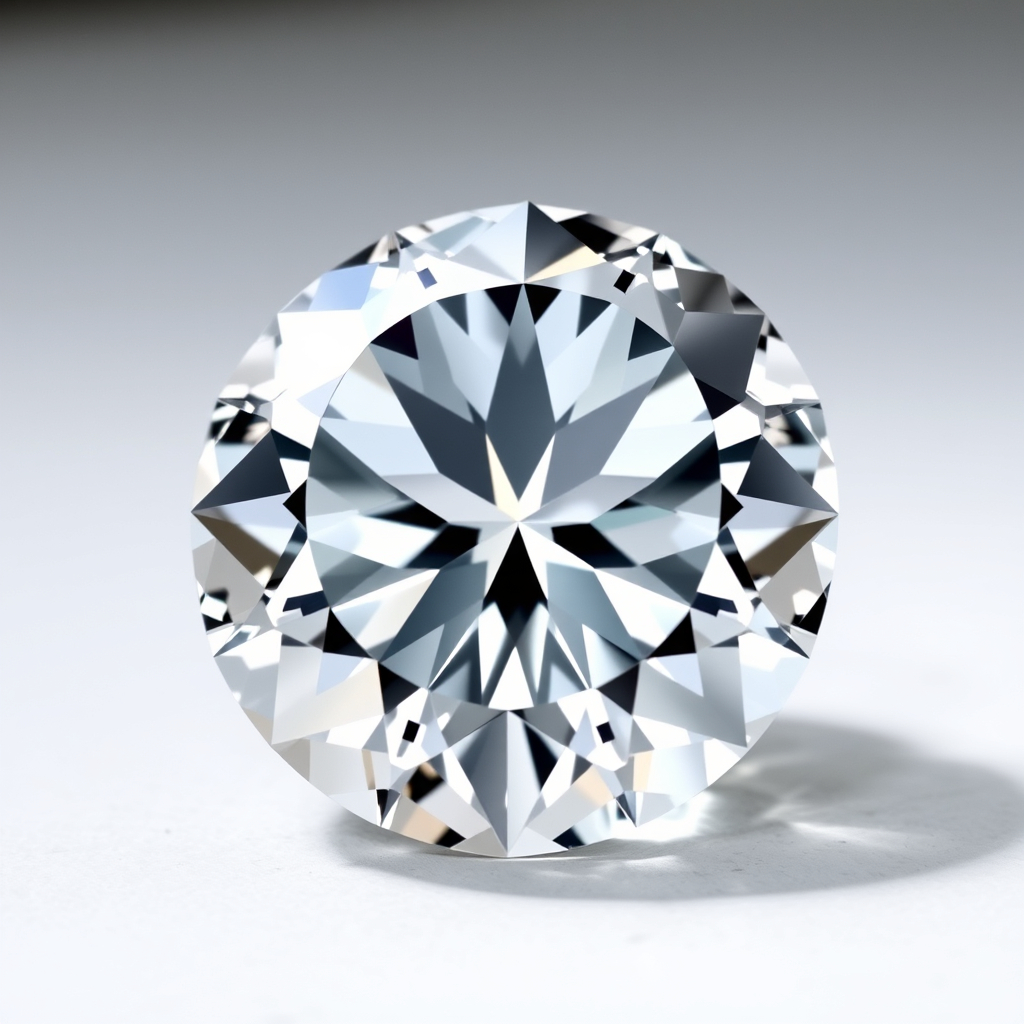
The color of a diamond is determined by a scale that consists of letters D (colorless) to Z (light yellow or brown).
D-F: colorless diamonds, these are the most rare and are of higher value. The light that the diamond reflects is what produces a brilliance and luster that can hardly be compared.
G-J: near colorless diamonds, very little traces of color is visible when compared to higher grades. They still offer stunning brilliance and sparkle.
K-M: faint color diamonds, they carry a soft and warm glow, perfect for vintage, inspired jewellery.
N-Z: colored diamonds, these diamonds are beautiful in creative or antique designs.
How color affects diamond value
Color and value share a direct relationship: the less color, the higher the price, assuming all other factors remain equal. This is why:
Rarity, purely colorless diamonds are naturally rare.Diamonds without color (D, F) are rare and thus have higher price per carat. If you move the scale down just one notch, the price will be more affordable, however, these diamonds will have a distinctive glow and charm.
Desirability, diamonds neutrality complements every metal type and design style. The metal that you use for your setting can either highlight a diamond's color or even it. A nice example is a light yellow diamond which could appear more glowing if it is set in a yellow gold, whereas a white gold or platinum will be best for colorless stones.
Light reflection, less color equals greater brilliance and sparkle. Some consumers might want extremely clear colorless diamonds, and some could be fascinated by a mild radiance of warmer colored diamonds. The “best” color of a diamond is a matter of personal style and cultural preferences.
Value isn’t purely financial, it’s also emotional. The perfect diamond isn’t always the highest grade, but one that with your story, style, and budget.
Fancy colored diamonds: Where rarity meets radiance
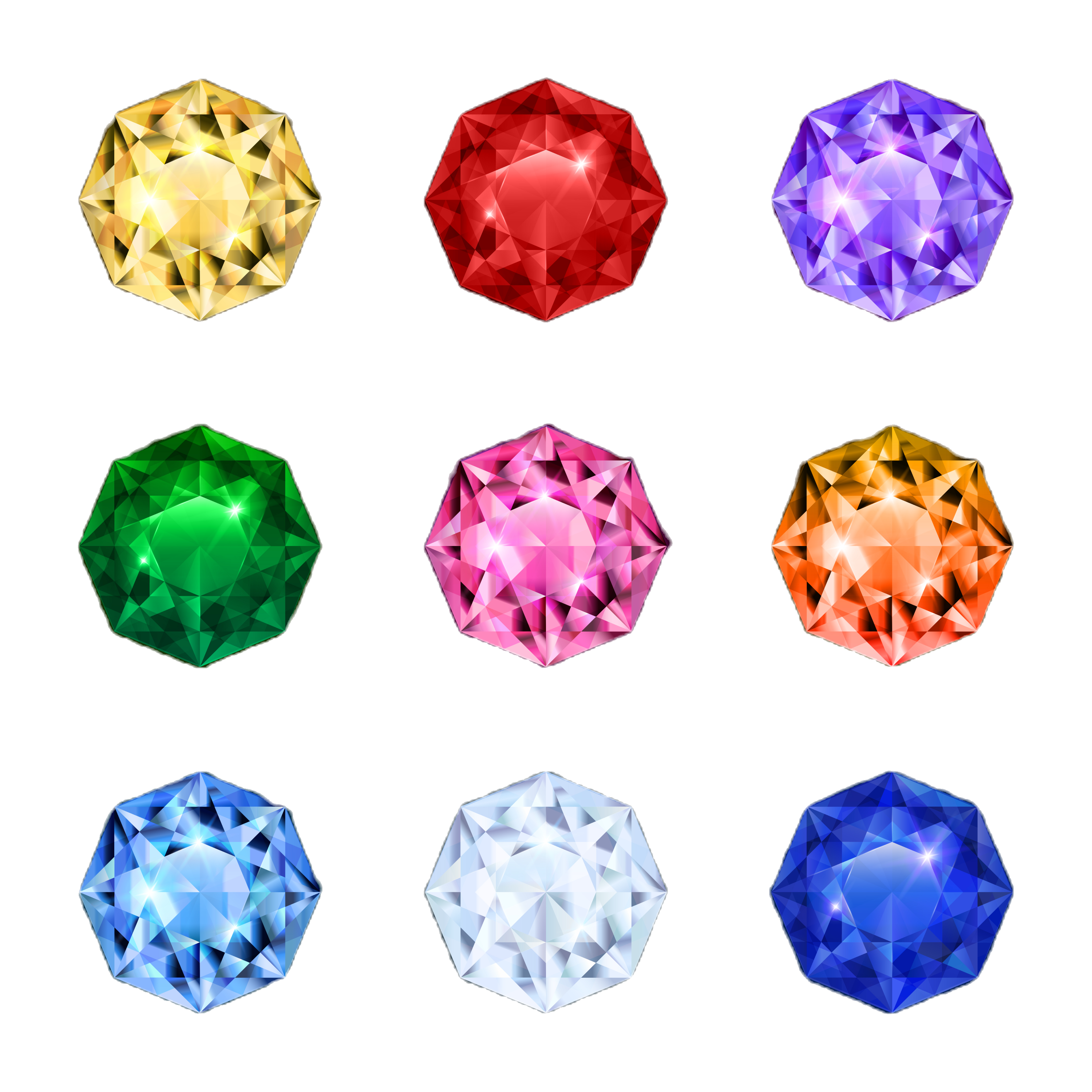
Colored diamonds such as blue and yellow are considered separate categories. Although the standard grading system regards colorless diamonds as more valuable, these rare stones are sought after mainly because of their color saturation. It basically works the same way as with colored diamonds, the more intense and pure the color, the more valuable the stone is.
One of the best examples of colored diamonds is the yellow ones that are frequently called "canary diamonds", and are known for their bright, sun-like appeal. Moreover, color is merely one of the many factors in diamonds. A diamond with a lower color grade but an excellent cut can look more brilliant than one with a higher grade but poor craft.
Each stone is handpicked for its overall allure - not just grade.
Final thought
The value of every diamond color lies in their reflection of special moments, milestones, and meaning. Whether you prefer the colorless elegance or the charm of fancy hues, every shade of sparkle will tell your story.
Visit our shop today at Silver Oak where brilliance, color, and craftsmanship meet timeless elegance.
Frequently asked questions
What is the best diamond colour grade for an engagement ring in Kenya?
For most engagement rings sold at Silver Oak, the G to H range gives the sweet spot. The stone reads as white to the naked eye, holds strong brilliance under Nairobi daylight, and costs noticeably less than a D or E grade. If you are setting the diamond in white metal or platinum, stay in G or above. For yellow gold, you can comfortably drop to I or J without losing visual appeal.
Can you see the difference between a D and a G colour diamond?
Side by side under jeweller's lighting, a trained eye can tell. In a finished ring worn on the hand, almost no one can. The face-up difference between D and G is subtle, while the price gap can be 20 to 40 percent. This is why many of our clients at Capital Centre and Diamond Plaza choose G or H. They get the same visual character for a smaller spend.
Are fancy coloured diamonds more valuable than colourless ones?
It depends on the colour and saturation. Fancy yellows, blues, pinks, and greens are graded on a separate scale that rewards intensity. A vivid blue or pink can sell for many times the price of a comparable D colourless stone, because the colour is rare. Pale or muted fancy diamonds sit closer to standard pricing. Always ask for the lab report to confirm the fancy colour grade and origin.
Does the metal setting change how a diamond's colour looks?
Yes, and the effect is real. Yellow gold reflects warm tones back into the stone, so a J or K colour diamond looks brighter and more uniform in yellow gold than it does in platinum. White gold and platinum keep a colourless stone reading icy and crisp, which suits D to F grades. If you love the warm vintage glow, a faint colour diamond in yellow gold is a smart pairing for the budget.
How does Silver Oak verify a diamond's colour grade?
Every certified diamond at Silver Oak ships with its independent grading report from a recognised gem lab, listing colour, clarity, cut, and carat. You can view the stone in our Imaara, Capital Centre, Diamond Plaza, or The Nord showroom and compare it against master stones in person. The 925 stamp on the setting confirms the silver, while the lab report confirms the diamond. Both travel with the piece on your invoice.