
Quick answer
Authentic tanzanite shows trichroism, three colour shifts (blue, violet, burgundy) as you rotate the stone, plus rich blue-violet saturation and eye-clean clarity. In Kenya, buy from a trusted Nairobi jeweller like Silver Oak that supplies a gem lab certificate (GIA or IGI), discloses heat treatment, and lists gram weight on the invoice.
Tanzanite, with its blue-violet glow, is one of the most sought after gemstones in the world. It is mined in only one place on earth, the Merelani Hills of northern Tanzania, and that scarcity has fuelled both demand and a parallel trade in imitations, mislabelled stones and undisclosed treatments. If you are considering a tanzanite piece, perhaps from Silver Oak's pendants, rings or earrings collections, it pays to know how to spot the real thing before you part with your money.
Key takeaways
- Real tanzanite shows three colours from different angles, blue, violet and burgundy.
- Most tanzanite is heat treated, a reputable jeweller will disclose this in writing.
- Demand a gem lab certificate from GIA or IGI before any serious tanzanite purchase.
- Tanzanite sits at 6 to 7 on the Mohs scale, so it scratches more easily than sapphire.
- Suspiciously low prices, vivid saturation and visible bubbles point to glass or synthetic stones.
- In Nairobi, Silver Oak supplies authenticity documentation, gram weight on the invoice and a clear returns policy.
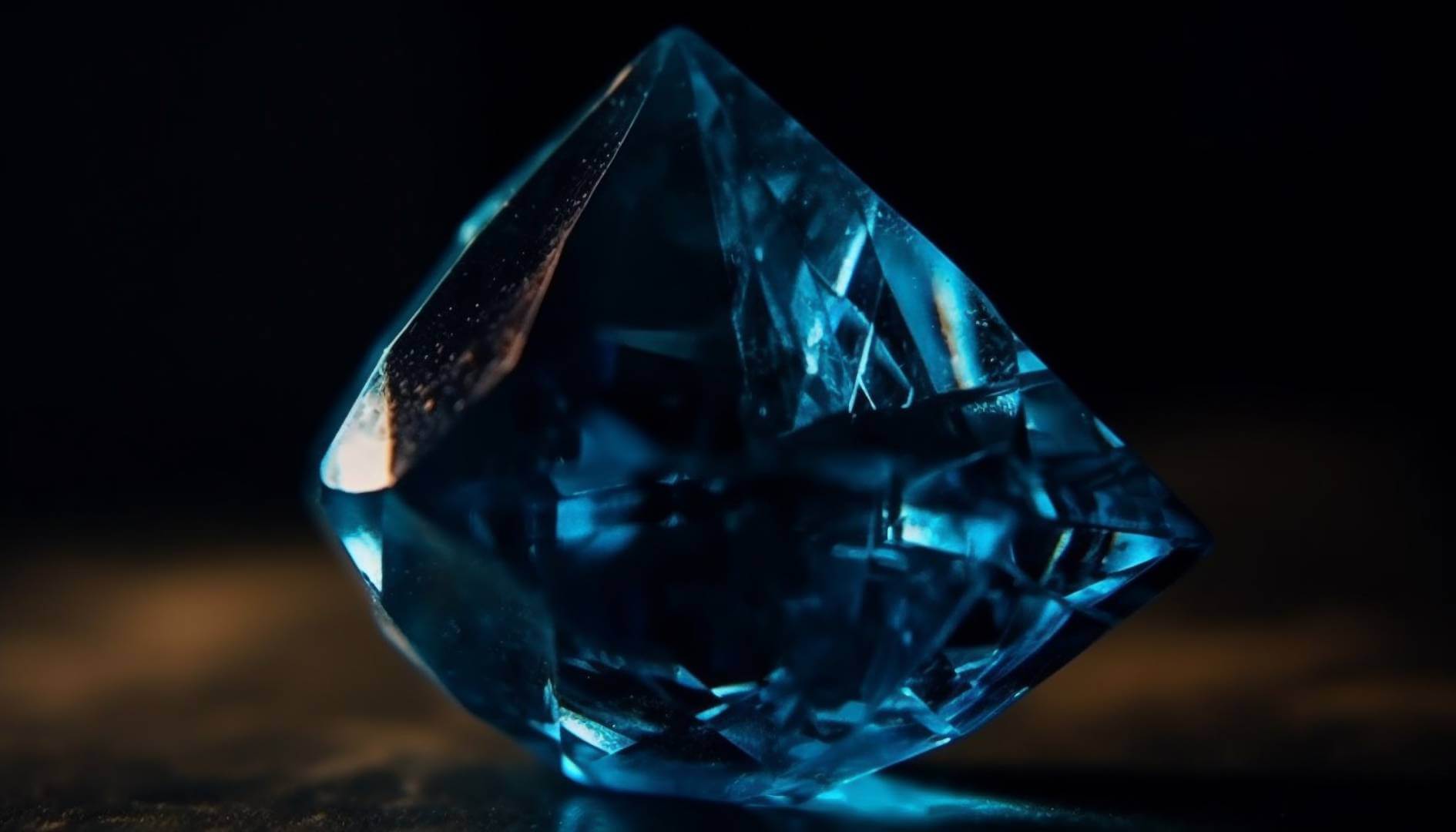
1. Know the science of tanzanite
- Trichroism. Authentic tanzanite shows three different colours when viewed from different angles, usually blue, violet and burgundy. No other commercially available stone behaves quite like it, which makes this the single most reliable test in a Nairobi boutique.
- Heat treatment. Most tanzanite on the market today is heat treated to remove brownish hues and bring out the blue and violet tones. This is standard industry practice and a reputable jeweller will disclose it in writing. Any stone labelled "untreated" should carry independent lab verification.
- Origin. All tanzanite comes from a single deposit in Tanzania, roughly 300 kilometres south of the Kenyan border. A seller who cannot speak to origin is a seller you should question.
2. Visual inspection: colour, clarity and cut
- Colour. Rich, deep blue-violet tones command the highest prices. If the stone looks flat, washed out or too pale, it may be a lower grade of tanzanite or not tanzanite at all.
- Clarity. Fine tanzanite is eye clean, meaning no visible inclusions without magnification. Some internal features are acceptable in larger stones, but heavy cloudiness is a warning sign.
- Cut. A skilled cut maximises the trichroic colour play and hides minor inclusions. Poorly cut stones often look dull from one direction and brighter from another, a clue that the cutter prioritised carat weight over beauty.
3. Tests you can do in the boutique
- Light test. Observe the stone in daylight near a window, then under warm indoor lighting. Authentic tanzanite shifts noticeably between cool blue and warmer violet, glass and synthetic imitations stay flat.
- Magnification. Ask for a jeweller's loupe at 10x and inspect for natural inclusions. Round gas bubbles are a tell for glass, parallel lines or a too-perfect interior suggest a synthetic.
- Scratch test. Not recommended unless you are trained. Tanzanite sits at only 6 to 7 on the Mohs scale, softer than sapphire or topaz, and a careless test can damage the stone you are trying to verify.
4. What to ask your jeweller
- Do you have a certificate, and from which lab? GIA and IGI are the two most widely recognised. A Nairobi boutique that cannot produce one for a serious purchase is a Nairobi boutique to walk away from.
- Has this stone been heat treated, and is that disclosed in writing? The honest answer is almost always yes to the first part, the key is the disclosure.
- What is the gram weight of the setting and the carat weight of the stone? Both should appear on the invoice. At Silver Oak the gram weight is itemised on every receipt.
- Can I view the stone under different lighting? A confident jeweller will encourage this, the colour shift is your best free verification.
5. Beware imitations and common tricks
- Synthetic stones such as lab-grown forsterite or coated glass are now common in unverified online listings.
- Overly saturated or unnaturally vivid colours can point to dyeing, foil backing or surface coating.
- Prices that look too good to be true almost always are. A genuine carat of fine tanzanite carries a known wholesale floor, anything significantly below it should prompt questions, not excitement.
6. Certification, invoicing and return policies
Documentation protects your purchase long after you leave the boutique. At Silver Oak, every tanzanite piece arrives with an authenticity guarantee, a written disclosure of any treatment, the gram weight of the 925 sterling silver setting and a clear returns and repairs policy. That paper trail is what allows you to insure the piece, value it for resale and pass it on with confidence.
Why this matters for Kenyan buyers
Kenya sits closer to the world's only tanzanite mine than almost any major jewellery market. That proximity is a real advantage, but it does not remove the need for verification. The same supply chain that brings rough stones across the border also brings imitations and undisclosed treatments. Buying from an established Nairobi house with in-house atelier production, like Silver Oak at Imaara Mall, Capital Centre, Diamond Plaza, The Nord or the online store, gives you a single point of accountability for the stone, the setting and the paperwork.
Tanzanite versus the lookalikes
The two most common stones mistaken for tanzanite are iolite and synthetic blue spinel. Iolite shares some of the violet-blue colour but lacks the burgundy flash in the trichroic test, and it tends to look greyer in indoor light. Synthetic spinel is too uniformly bright and shows no colour change at all. Glass imitations are easier to spot under a loupe, look for round air bubbles inside the stone and a soft, slightly waxy surface. None of these substitutes carry a GIA or IGI report, which is exactly why insisting on certification cuts through the confusion.
Caring for your tanzanite piece
Because tanzanite sits at 6 to 7 on the Mohs hardness scale, it deserves more care than a sapphire or diamond. Avoid ultrasonic and steam cleaners, both of which can worsen internal fractures. Clean the stone with warm water, a drop of mild soap and a soft brush, then dry with a lint-free cloth. Store each piece in its own pouch or lined compartment so harder stones do not scratch the tanzanite. If you wear a tanzanite ring regularly, have the setting checked once a year at the Silver Oak atelier, prongs loosen over time and a quick tighten prevents a much larger loss.
Conclusion
Spotting authentic tanzanite is a mix of science, careful observation and choosing the right jeweller. Check for trichroism, ask for a GIA or IGI certificate, confirm heat treatment is disclosed and insist on a gram weight on the invoice. When you buy from a trusted Nairobi house like Silver Oak, the beauty, the value and the integrity of the piece all sit on the same foundation.
Frequently asked questions
How can I tell if a tanzanite is real in Kenya?
Look for three signals. First, trichroism, the stone should flash blue, violet and a hint of burgundy as you rotate it under daylight. Second, ask for a gem lab certificate from GIA or IGI and confirm any heat treatment is disclosed. Third, buy from a Nairobi jeweller that puts the gram weight on the invoice. Silver Oak provides all three at its Imaara, Capital Centre, Diamond Plaza and The Nord boutiques.
How much does authentic tanzanite cost in Nairobi?
Prices in Nairobi vary by carat weight, colour saturation and clarity. Smaller accent stones in a 925 sterling silver pendant can start in the low tens of thousands of (current price on silveroak.co.ke or WhatsApp), while a deeper investment-grade tanzanite ring or solitaire moves into six figures. Always ask for the gram weight of the silver setting plus the carat weight of the stone on the invoice, that combination protects the price you pay.
Is tanzanite a good investment in Kenya?
Tanzanite is mined in only one place on earth, the Merelani Hills in northern Tanzania, which gives it long-term scarcity value. As a Kenyan buyer you benefit from proximity to the source, but the resale value still depends on documentation. A certificated stone with disclosed treatment, set in 925 sterling silver and supplied with an itemised invoice, holds its value far better than an undocumented piece bought from an unverified seller.
What is trichroism and why does it matter for tanzanite?
Trichroism means the stone shows three different colours depending on the viewing angle, usually blue, violet and burgundy. Tanzanite is one of the few gemstones in the world that displays this property naturally. It is the single most reliable visual test you can do in a Nairobi boutique, ask the jeweller to rotate the stone slowly under both daylight and warm indoor light and watch the colour shift.
Where can I buy certified tanzanite in Nairobi?
Silver Oak stocks certified tanzanite set in 925 sterling silver across four Nairobi locations, Imaara Mall, Capital Centre, Diamond Plaza and The Nord, plus the online store. Each piece arrives with disclosure on heat treatment, an invoice that lists gram weight and a clear returns policy. Visit a boutique to inspect a stone in person under different lighting before you commit to a purchase.
Can tanzanite be worn every day?
Tanzanite scores 6 to 7 on the Mohs hardness scale, softer than sapphire (9) or diamond (10). It is best suited to pendants and earrings, which avoid daily knocks, rather than a ring you wear continuously. If you want a tanzanite ring for regular wear, choose a protective bezel setting in 925 sterling silver and remove the piece before sports, gardening or housework.