
Quick answer
Gemstones have shaped human culture for over five thousand years, from Egyptian amulets and Greek talismans to Indian Ayurvedic prescriptions and royal European crowns. Today Kenya is a key source country, with tsavorite from Tsavo, tourmaline from Baringo, and sapphire from Turkana feeding the global trade.
Updated: Nov 8, 2025
Key takeaways
- Ancient Egyptians wore carnelian, lapis lazuli and turquoise as protective amulets.
- Greeks and Romans treated emeralds as symbols of rebirth and amethyst as a guard against intoxication.
- Ayurvedic tradition in India linked specific stones to planets, prosperity and healing.
- The Silk Road carried gem cutting and polishing skills across Africa, Asia and Europe.
- Tsavorite was discovered near Tsavo National Park in the 1960s and remains a Kenyan signature stone.
- Silver Oak sets Kenyan and global gemstones in 925 sterling silver at our Nairobi ateliers.
The history of gemstones from ancient civilization to the modern glamour and luxurious gemstone culture is really fascinating. These radiant stones still stand as a symbol of allure, power, and love. It’s fascinating past, culture, and artistry still dominate the jewellery market. However, what has made it stay as a constant attraction for luxury jewelleries? We trace its history and its voyage to the present world.
The Rise of Gemstone Lore
In the period of Ancient Egypt a thousand years ago, pharaohs were covered in precious stones and looked upon them as amulets because they believed the stones gave them strength and safety not only in the present life but also in the afterlife. Along with this, carnelian, lapis lazuli, and turquoise were mostly chosen for their bright colors and their symbolism to spiritual nature. Later on, gemstones became one of the ways to show pride, power, and even the favor of the gods. The Greeks and the Romans considered it as a present from the gods. For example, emeralds stood for rebirth and eternal youth while amethyst was thought to protect intoxication.
Gemstones in India were highly significant in the spiritual and cultural traditions. The ancient texts of Ayurveda pointed out the energetic influence of the stars on different gemstones and linked them to prosperity, healing, and protection among other things. The association of gems with spirituality became a worldwide phenomenon due to the trade and conquest in different regions. Even now, the relation is still there, a reason why we continue to see gems as a sign of prestige, artistry, and divine favor.
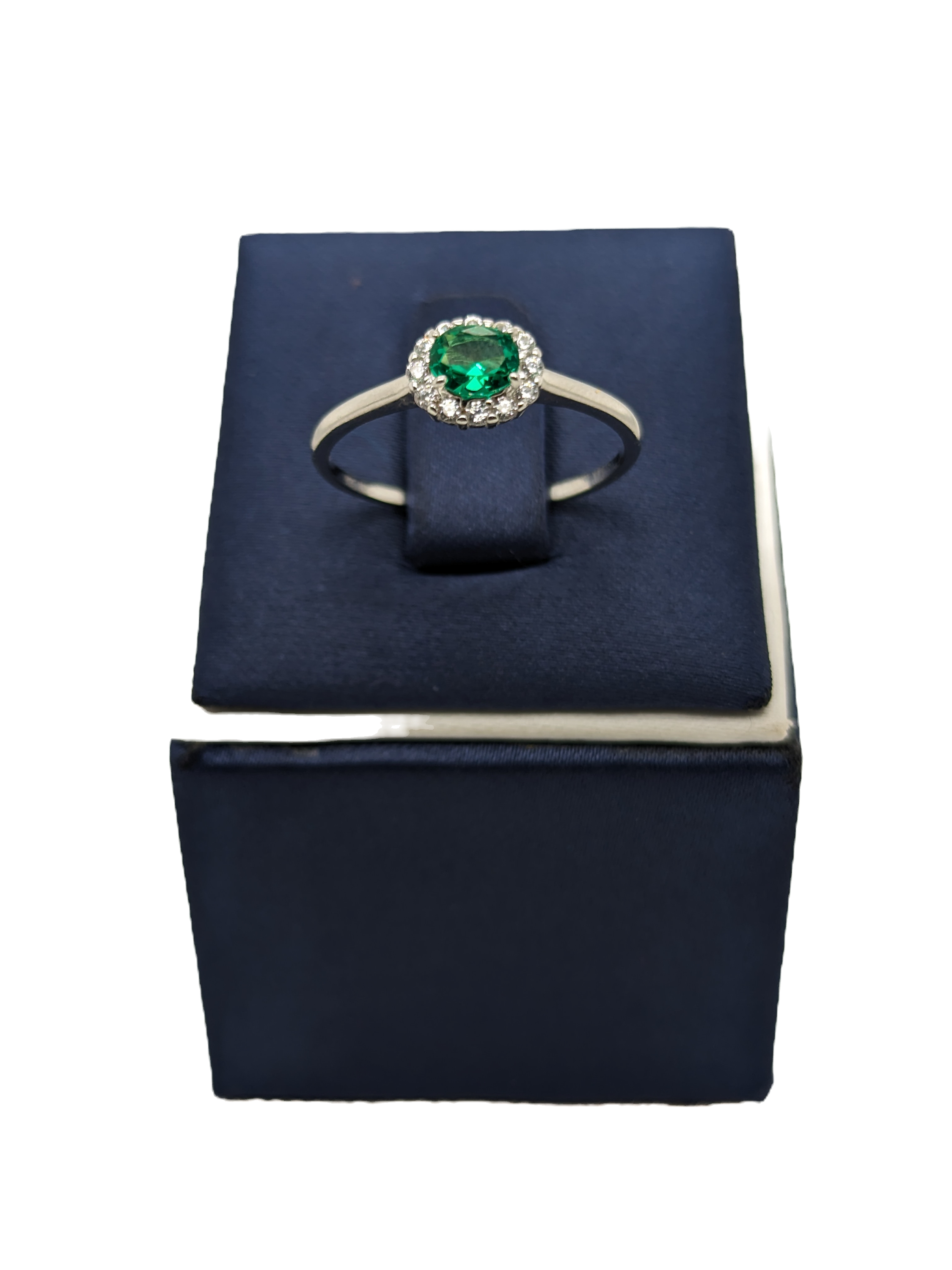
The Medieval Era
As trade routes expanded, gemstones continued to spread in other areas and became a commodity to sell and get profit. Silk Road and Arabian trade networks were the main routes through which gemstones symbolism spread to Africa, Asia, and Europe. Different cultures adopted these symbols and valued them greatly.
Sapphire was believed to bring calmness and wisdom to the wearer whereas ruby was the indication of passion and power. In Europe, the crowns and robes of the royal families were decorated with gemstones. This conveyed divine right and protection against evil spirits.
Gemstones trade provided not only profit but also skills and knowledge of gem cutting, polishing, and metalwork, a foundation that built modern jewellery craftsmanship.
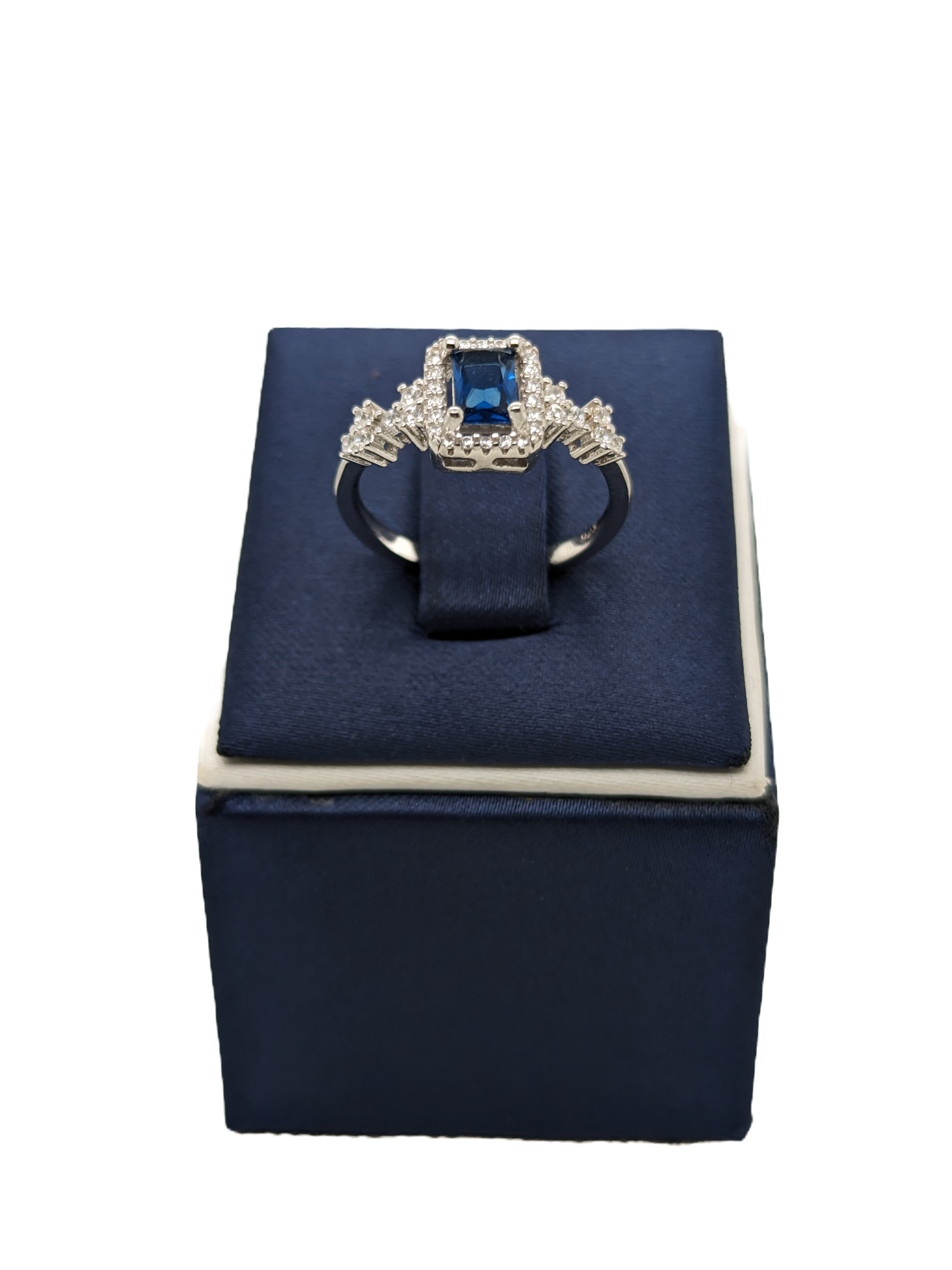
Africa’s gemstone renaissance
While ancient civilization crafted gemstone legends, Africa’s gemstone story was still being unearthed. A continent rich in natural resources became one of the world’s significant sources of precious stones. The continent boasts of the emeralds of Zambia, the rubies of Mozambique, and the diamonds of South Africa. Its role in the global gemstone trade has grown exponentially and Kenya takes pride in this.
Different regions like Taita Taveta, Baringo, and Turkana of Kenya, have been identified as areas rich in the deposit of gemstones. Tsavorite is a rare bright green stone of the grossularite garnet family, which was discovered in the 1960s near Tsavo National Park. The gemstone represent the natural beauty of Kenya and the mineral wealth that provides the local miners and artisans with income.
Modern Era
The gemstone industry is still changing with time, a period when the old artistic skills blend with the new luxurious style. Every gemstone is a record of its source, the miners who extracted it, and the jewellers who make it a forever precious stone. This makes gemstone authentic, elegant, and unique. They represent more than adornment; they reflect a unique character and wearer’s individuality whether it’s a serene sapphire or a radiant emerald.
At Silver Oak, our gemstone collections from emeralds, rubies and sapphires celebrate a journey from earth to elegance, where ancient civilization meets contemporary sophistication.
Conclusion: The enduring allure of gemstones
Whether it’s their connection to nature, the way they form within earth’s mantle or emerge as symbols of elegance, these precious stones remain one of wonder, craftsmanship and meaning. The history of gemstones from the Romans to the Pharaohs of Egypt holds value and uniqueness. It’s also the cultural meaning to it; love, protection, success, and faith, all captured in color and brilliance.
Each gemstone at Silver Oak is a part of history carrying both a story and a sparkle worth celebrating.
Visit Silver Oak Jewellers today to explore our exclusive gemstone collection designed for timeless elegance.
Frequently asked questions
What gemstones are mined in Kenya?
Kenya produces tsavorite, tourmaline, ruby, sapphire, garnet, aquamarine and a small volume of emerald. The richest fields sit in Taita Taveta near Tsavo National Park, with further deposits in Baringo, Turkana and the Kwale coast. Tsavorite, a bright green grossular garnet discovered in the late 1960s, is the country's signature stone. Silver Oak sources Kenyan colour stones through licensed dealers and sets them in 925 sterling silver at our in-house atelier.
Are the gemstones at Silver Oak natural or lab grown?
Every coloured stone in our standard collections is natural, sourced from licensed Kenyan and East African dealers and cut by partner lapidaries. We disclose treatment status, origin where known, and carat weight on the invoice for each piece. Lab grown stones are only used when a client requests them for a bespoke commission, and they are clearly labelled as such. Visit any Silver Oak store in Nairobi and the team will walk you through the paperwork before purchase.
What does the 925 stamp on a Silver Oak gemstone piece mean?
The 925 stamp on the inside of a ring shank, the back of a pendant bail or the clasp of a chain confirms the metal is 925 sterling silver, which is 92.5 percent pure silver alloyed with 7.5 percent copper for strength. Every Silver Oak setting carries this stamp, and the matching gram weight is printed on your invoice so you can verify the piece at any time. Stones are set into this sterling base at our Nairobi atelier.
Which gemstone should I choose for everyday wear in Nairobi?
For daily wear in Nairobi, choose stones that score 7 or above on the Mohs scale so they resist dust, knocks and the dry highland air. Sapphire, ruby, tsavorite garnet and tourmaline all wear well in bezel or claw settings. Avoid soft stones like opal, pearl or turquoise for rings you keep on all day. The team at our Imaara, Capital Centre, Diamond Plaza and The Nord stores can match a stone to your routine and skin tone.
How do I care for a gemstone set in 925 sterling silver?
Wipe the piece with a soft cloth after each wear, store it flat in the pouch we provide, and keep it away from chlorine, perfume and household cleaners. For a deeper clean, soak in warm water with a drop of mild soap for two minutes, brush gently with a soft toothbrush, rinse and pat dry. Bring the piece to any Silver Oak store every six to twelve months for a free polish, stone check and tightening of the setting.