
Quick answer
Lab grown diamonds are gaining popularity in Kenya because they cost 30 to 50 percent less than mined diamonds of the same grade, carry the same chemical and optical properties, and offer a traceable, conflict free origin. Kenyan couples and fashion buyers now choose them for engagement rings and everyday pieces at Silver Oak.
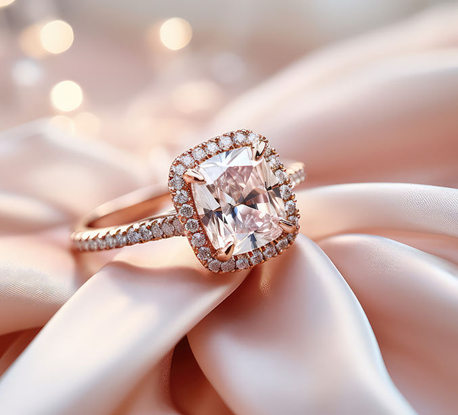
What exactly are lab-grown diamonds?
Lab-grown diamonds are real diamonds, just created in a controlled laboratory environment instead of being mined from the earth’s mantle. They are formed using the same carbon and intense heat and pressure that take millions of years underground. The difference? Technology replicates the same in a short period of time instead of millennia.
Key takeaways
- Lab grown diamonds are real diamonds, identical in chemistry, sparkle and 10 Mohs hardness.
- Two methods produce them: Chemical Vapor Deposition (CVD) and High Pressure High Temperature (HPHT).
- Kenyan buyers save 30 to 50 percent versus mined stones of the same cut, colour, clarity and carat.
- Origin is fully traceable, with no conflict sourcing and a much smaller environmental load.
- Silver Oak offers custom CVD engagement and wedding rings with in house atelier guidance.
- Available across Imaara, Capital Centre, Diamond Plaza, The Nord and online in KSh.
Its process involves two main methods:
Chemical Vapor Deposition (CVD), this method essentially involves burning carbon gases, one atom at a time, to form a diamond.
High Pressure High Temperature (HPHT) , this technique replicates the conditions that occur naturally in the earth's mantle for diamond formation.
The diamonds produced are chemically the same as a natural diamond, same sparkle, brilliance, clarity, and hardness (10 on the Mohs scale).
For many years, natural diamonds have been the center of the global jewellery markets. However, a new trend of lab-grown diamonds is steadily trending up. They are popular among couples, fashion-forward shoppers, and environmentally-conscious shoppers here in Kenya.
Consumer values, transparency, sustainability, and affordability have always been more important as much as beauty and elegance.
Check out our blog on the differences between a CVD diamond and real diamonds.
Why lab-grown diamonds are popular in Kenya?
1. Affordability
One of the driving factors behind its rise is - affordability. Without compromising luxury, these diamonds cost 30-50% less than natural diamonds of same size and quality. For couples shopping for engagement rings, this price difference can turn dream designs into reality, without stretching the budget.
This means customers can:
Choose a larger stone
Enjoy higher quality and color grades
Get better value for their money
2. Ethical and conflict-free
With more and more consumers placing the ethical sourcing of their jewellery as a key factor, lab-grown diamonds become an absolute transparent option. There is no risk of forced labor or harmful environmental practices which are the usual side of the mined diamonds in certain areas. It’s guaranteed conflict-free that gives buyers peace of mind that aligns perfectly with the global shift toward sustainable, responsible luxury.
3. Environmentally friendly alternative
Mining natural diamonds involve land displacement, heavy machinery, and water resources. However, lab-grown diamonds have:
Significantly smaller carbon footprint
Minimal land disturbance
More efficient energy use
This would be the perfect option for environmentally aware consumers who are willing to maintain their eco-friendly luxury without compromising on sophistication.
4. Exceptional beauty and quality
On the surface, it is practically impossible to differentiate a diamond made in the laboratory from one that was extracted underground. Both of them display the same fire, sparkle, and brilliance. Buyers no longer need to choose between ethics and beauty, they get both. Carefully selected based on the 4C’s, cut, color, clarity, carat, customer are assured of higher quality pieces.
Why choose lab-grown diamonds from Silver Oak?
At Silver Oak, our CVD rings blend luxury and sustainability, giving you jewellery that feels meaningful and timeless. When you choose our CVD rings you enjoy:
Premium quality stones with brilliant sparkle
Expert guidance from our jewellery specialists
Custom-made engagement and wedding rings
Conclusion
Diamonds created in a laboratory are not simply fashionable, they are the future of environmentally friendly and affordable luxury. Their popularity is very rapid as more people learn about their great value and sparkle. Silver Oak is honored to be leading this change and making it easy for customers to find diamonds that are a true reflection of their personality and ethical standards.
Visit Silver Oak and discover yourself our beautiful selection of laboratory-grown diamonds, made with earth-friendly, value, and elegance in mind.
Frequently asked questions
Are lab grown diamonds real diamonds?
Yes. A lab grown diamond is pure crystalline carbon, identical to a mined diamond in chemical composition, optical brilliance and 10 on the Mohs hardness scale. A standard jeweller's loupe cannot tell them apart from a mined stone. The only difference is origin: one is grown in a controlled reactor over weeks, the other formed in the earth's mantle over millions of years. Silver Oak supplies CVD diamonds graded on the same 4Cs as natural stones.
How much cheaper are lab grown diamonds in Kenya?
A lab grown diamond of the same cut, colour, clarity and carat as a mined stone usually costs 30 to 50 percent less in Kenya. On a one carat solitaire engagement ring, that saving often runs into hundreds of thousands of shillings. Buyers use the difference to size up, choose a higher clarity grade, or pair the ring with a matching wedding band. Silver Oak quotes both options side by side so you can compare value in KSh.
What is the difference between CVD and HPHT diamonds?
CVD, or Chemical Vapor Deposition, grows the crystal one carbon atom at a time from heated gases inside a vacuum chamber. HPHT, or High Pressure High Temperature, recreates the heat and pressure of the earth's mantle to crystallise carbon directly. Both yield real diamonds of equal brilliance and hardness. CVD tends to produce cleaner Type IIa stones favoured for colourless engagement rings, which is why Silver Oak's CVD rings are our most requested lab grown pieces.
Are lab grown diamonds ethical and conflict free?
Yes. Because the stones are grown in a sealed reactor, their entire journey is documented from carbon source to polished gem. There is no mine site, no displaced community and no risk of conflict funding. The carbon footprint is a fraction of that of open pit diamond mining, and water and land use stay minimal. For Kenyan buyers who want luxury without the ethical question marks, lab grown diamonds remove the doubt completely.
Does Silver Oak offer custom lab grown diamond rings?
Yes. Silver Oak's in house atelier designs custom engagement and wedding rings around CVD lab grown diamonds in 925 sterling silver, 18k and platinum settings. You can book a consultation, choose your stone by the 4Cs, and approve a CAD render before we cast. The gram weight appears on your invoice along with the 925 stamp on silver settings. Visit Imaara, Capital Centre, Diamond Plaza or The Nord, or start online.
Will a lab grown diamond hold its value over time?
Lab grown diamonds resell at lower percentages than mined diamonds, so think of them as a piece you buy to wear and enjoy, not as a financial asset. Their value sits in the design, the craftsmanship and the daily pleasure of wearing them. For most Kenyan couples that trade off is worth it: a bigger, brighter stone in a better setting for the same budget. Silver Oak gives you the full picture before you decide.