 SILVER OAK
Quick answer
Authentic tanzanite shows blue, violet and sometimes a flash of burgundy as you turn it. Most stones are heated, which is normal when the seller tells you. Look at the stone in daylight and indoor light, inspect it under magnification, and ask for written documentation. Buy from a jeweller who answers every question without hesitation.
Authentic tanzanite is one of the most recognisable gemstones in the world, and it is mined in only one place, northern Tanzania. Kenya sits right next door, so tanzanite is part of the Nairobi jewellery scene, and so are the lookalikes. This guide shows what to look for, what to ask, and how to enjoy a stone you can trust in a pendant, a ring or earrings.
What does authentic tanzanite look like?
Three things give tanzanite away: colour change, saturation and clarity.
Colour shift
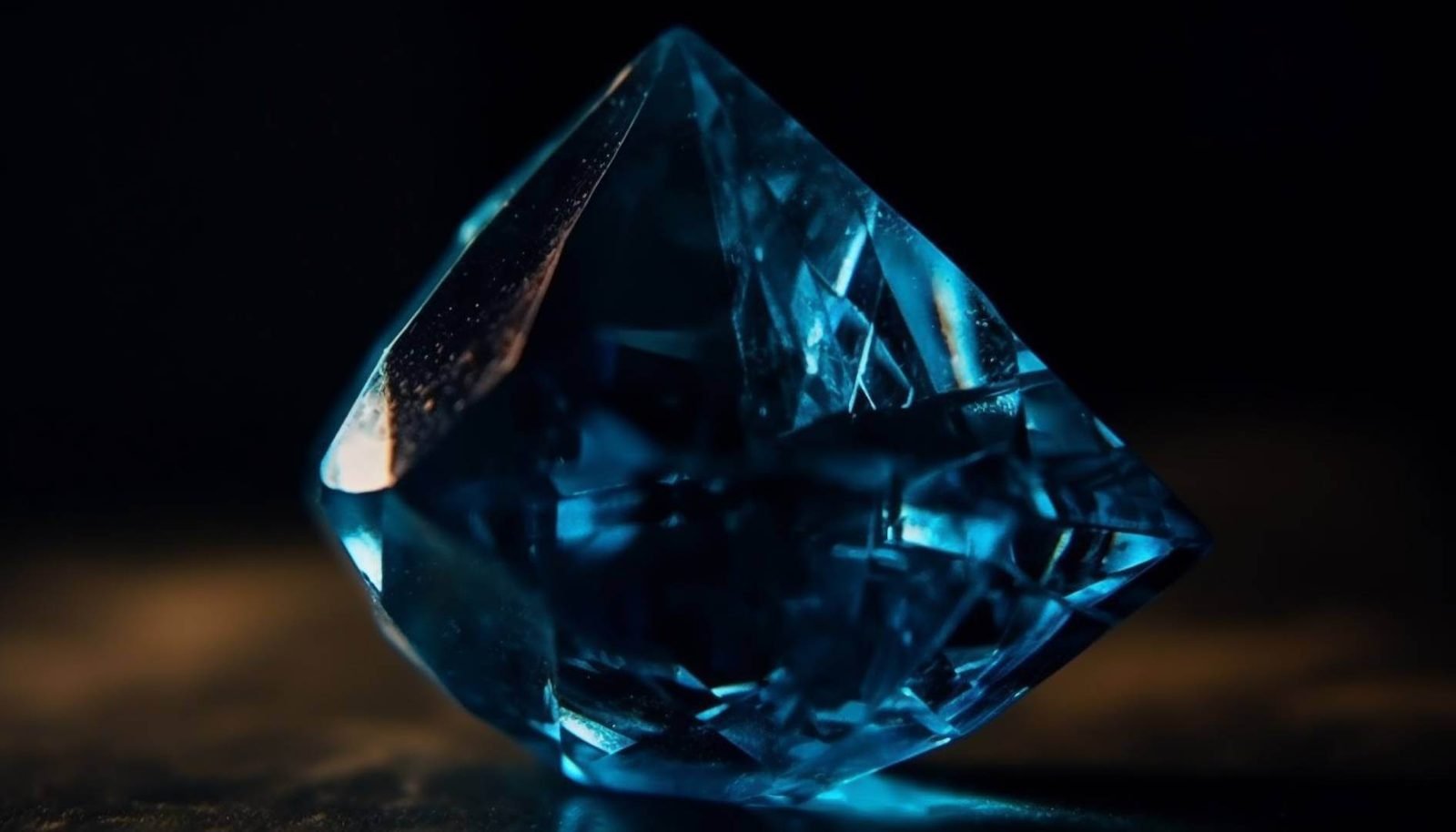
Tanzanite is trichroic. It shows different colours depending on the angle, usually blue, violet and a hint of burgundy. Tilt the stone slowly and the colour moves. A piece of glass or a synthetic stone tends to look the same from every side.
Saturation
Fine tanzanite has a deep, even blue violet. Very pale stones look washed out, and colour that looks unnaturally vivid, almost electric, deserves a second look.
Clarity
Good tanzanite is usually eye clean, meaning you see no marks without magnification. Small natural inclusions are normal. Heavy cloudiness is a warning sign.
How can you test tanzanite at a Nairobi counter?
You do not need a laboratory. You need patience and good light.
- Use daylight first. Stand near a window and rotate the stone slowly. Watch for the shift between blue and violet.
- Compare indoor light. Under warm indoor bulbs tanzanite leans violet. Under white light it leans blue. A flat, unchanging colour is a reason to ask more questions.
- Ask for a loupe. Under magnification, round bubbles point to glass, while an interior that looks too perfect can point to a synthetic stone.
- Skip the scratch test. Tanzanite is softer than sapphire and can be damaged. Let the seller handle the stone.
Is heat treated tanzanite genuine?
Yes. Nearly all tanzanite is heated to remove brownish tones and bring out the blue and violet. GIA describes this as standard practice. What matters is honesty. A good jeweller tells you the stone is heated, and tells you without being asked twice.
The same GIA page is a useful reference on origin, colour and care, and the Wikipedia entry covers how the stone was discovered in the 1960s.
Which stones are mistaken for tanzanite?
Three imitators come up most often.
- Iolite looks blue violet but usually reads greyer, and lacks the burgundy flash.
- Synthetic spinel and corundum can be bright and even, but show little colour change.
- Glass is easy to catch under a loupe. Look for round bubbles and a slightly soft, waxy surface.
Putting two stones next to each other in daylight is the fastest way to see the difference. Ask to compare, and notice how the seller responds.
What should you ask a jeweller about tanzanite?
- Is this stone natural, and has it been heated?
- What written documentation comes with it?
- Can I see it under daylight and under indoor light?
- Is the metal 925 sterling silver, and is it stamped?
- Will the invoice show the gram weight?
At Silver Oak, the 925 stamp is on the piece and the gram weight appears on the invoice. Ask our team about the stone itself at any branch. Our Aura collection sets tanzanite in silver, and the full jewellery range shows other ways to wear it.
How do you care for tanzanite?
Treat it gently. Keep it away from ultrasonic and steam cleaners. Clean it with warm water, a drop of mild soap and a soft brush, then dry it with a lint free cloth. Store it separately so harder stones do not scratch it, and take it off before sport and housework.
Silver Oak cleans and polishes jewellery free at any branch for as long as you own the piece. Our care page explains the routine in more detail.
Frequently asked questions
How can I tell if tanzanite is real?
Turn the stone slowly in daylight. Real tanzanite shows blue, violet and sometimes a flash of burgundy depending on the angle. Then check it under a loupe, and ask the jeweller for written documentation about the stone. A glass imitation usually looks the same colour from every direction.
Is heat treated tanzanite fake?
No. Nearly all tanzanite on the market is heated to bring out its blue and violet colour, and GIA notes this is standard practice. The issue is not the heating. It is whether the seller tells you about it, so ask the question directly and expect a straight answer.
Where is tanzanite mined?
Tanzanite is mined only in the Merelani Hills of northern Tanzania, near Mount Kilimanjaro. It is not mined in Kenya, although it is closely tied to East African jewellery. Any seller who claims a Kenyan mine is giving you the wrong information.
Can tanzanite be worn every day?
It can, with care. Tanzanite is softer than sapphire, so it scratches and chips more easily. Pendants and earrings take fewer knocks than rings. For a daily ring, choose a protective setting and remove it for housework, gym sessions and gardening.
What is the difference between tanzanite and iolite?
Both can look blue violet, but iolite tends to look greyer and its colour shifts less richly. Tanzanite shows deeper saturation and the burgundy flash. Putting both stones side by side in daylight makes the difference clear, so ask to compare when you can.
Where can I see tanzanite jewellery in Nairobi?
Silver Oak sets tanzanite in 925 sterling silver as part of its Aura collection, available online and at its Nairobi branches. Visit any branch to hold a piece in different light, or message us on WhatsApp 0796 431 553 to ask what is available.
Bring your questions to the counter
The best test of any tanzanite is a conversation. Visit a Silver Oak branch, hold a piece in daylight, and ask everything on this list. You can also message us on WhatsApp 0796 431 553, or see how tanzanite looks in silver in the Aura collection.