 SILVER OAK
Quick answer
The history of gemstones runs from Egyptian amulets and Greek talismans to Indian planetary traditions, medieval trade routes and royal crowns. People wore coloured stones for protection, status and meaning long before they became fashion. Today Africa is a major source, including tsavorite from Kenya and tanzanite from Tanzania.
The history of gemstones is really a history of people: what they believed, what they traded and what they wanted to keep close. Every stone in a ring or pendant carries a trace of that. This guide follows gemstones from ancient courts across the Silk Road to East Africa, and shows where the stones in Nairobi’s silver jewellery fit in.
How did ancient Egypt and Greece use gemstones?
In ancient Egypt, stones were never only decoration. Carnelian, lapis lazuli and turquoise were worn as protective amulets, chosen for their rich colour and for what that colour stood for. Pharaohs were adorned in them because people believed the stones gave strength and safety, in this life and the next.
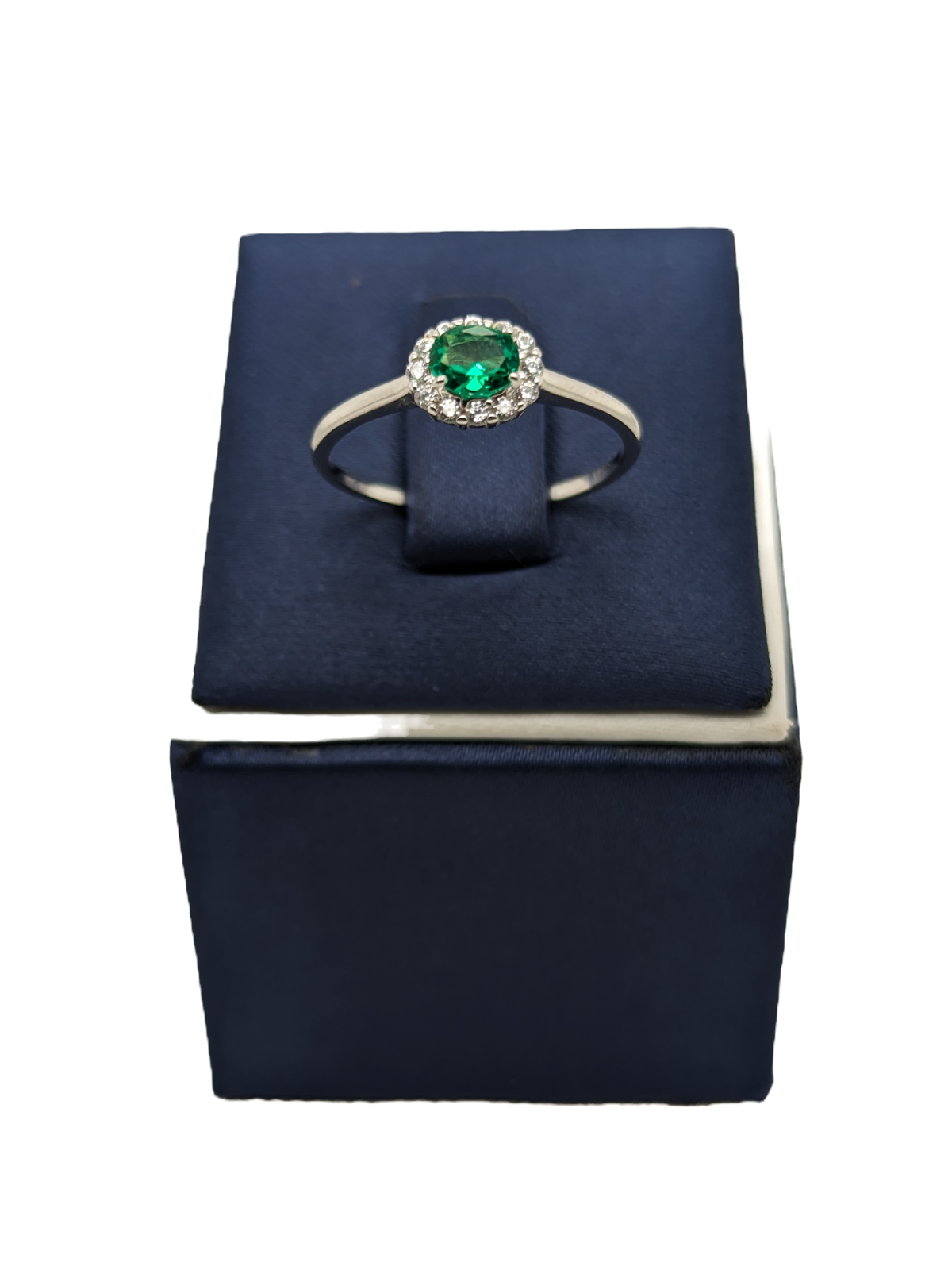
The Greeks and Romans carried those ideas further. They read stones as gifts from the gods and gave them jobs. The name amethyst comes from a Greek word meaning “not intoxicated”, and the stone was thought to keep the wearer sober at a feast. Emerald, with its fresh green, came to stand for rebirth and youth.
What did gemstones mean in India and along the Silk Road?
In India, gems were tied to the heavens. Traditional texts linked particular stones to the planets and to ideas like prosperity, healing and protection, and many families still consult them when choosing a stone for a loved one. The link between stone and spirit became a worldwide habit as people travelled and traded.
The Silk Road and the Arabian trade routes did more than carry stones from place to place. They carried stories. Sapphire came to mean calm and wisdom, while ruby stood for passion and power. Along the way, cutters and metalworkers swapped skills, and that shared knowledge laid the foundation for modern jewellery craft.
Why were gemstones worn by kings and queens?
By the Middle Ages, stones were the clearest sign of rank. Crowns and robes in Europe were set with sapphires, rubies and emeralds, and the message was clear: this ruler is chosen and protected. A stone also had a practical side, since it could be carried, traded or passed on. That made it a way to store a family’s wealth and a way to show its standing in one small object.
The idea that a gem carries meaning and status did not disappear when crowns went out of fashion. It simply moved into everyday life, into engagement rings, birthstones and gifts for milestones. You can read a good overview of how people have classified and prized stones in this Wikipedia article on gemstones.
What is Africa’s place in the gemstone story?
For a long time, the best-known names in gemstone history came from elsewhere. Africa’s own part in the story is newer, and it is a major one. Zambia is known for emeralds, Mozambique for rubies and Tanzania for tanzanite, a blue violet stone that, according to the Gemological Institute of America, is found in just one place in the world, near Mount Kilimanjaro.
Kenya has its own claim. Tsavorite is a vivid green garnet named after Tsavo, where Kenyan deposits were found, and it has become a signature stone of the region. You can read more in this short entry on tsavorite. Each such stone carries the story of the miners who found it and the cutters who shaped it.
How do gemstones show up in Silver Oak jewellery today?
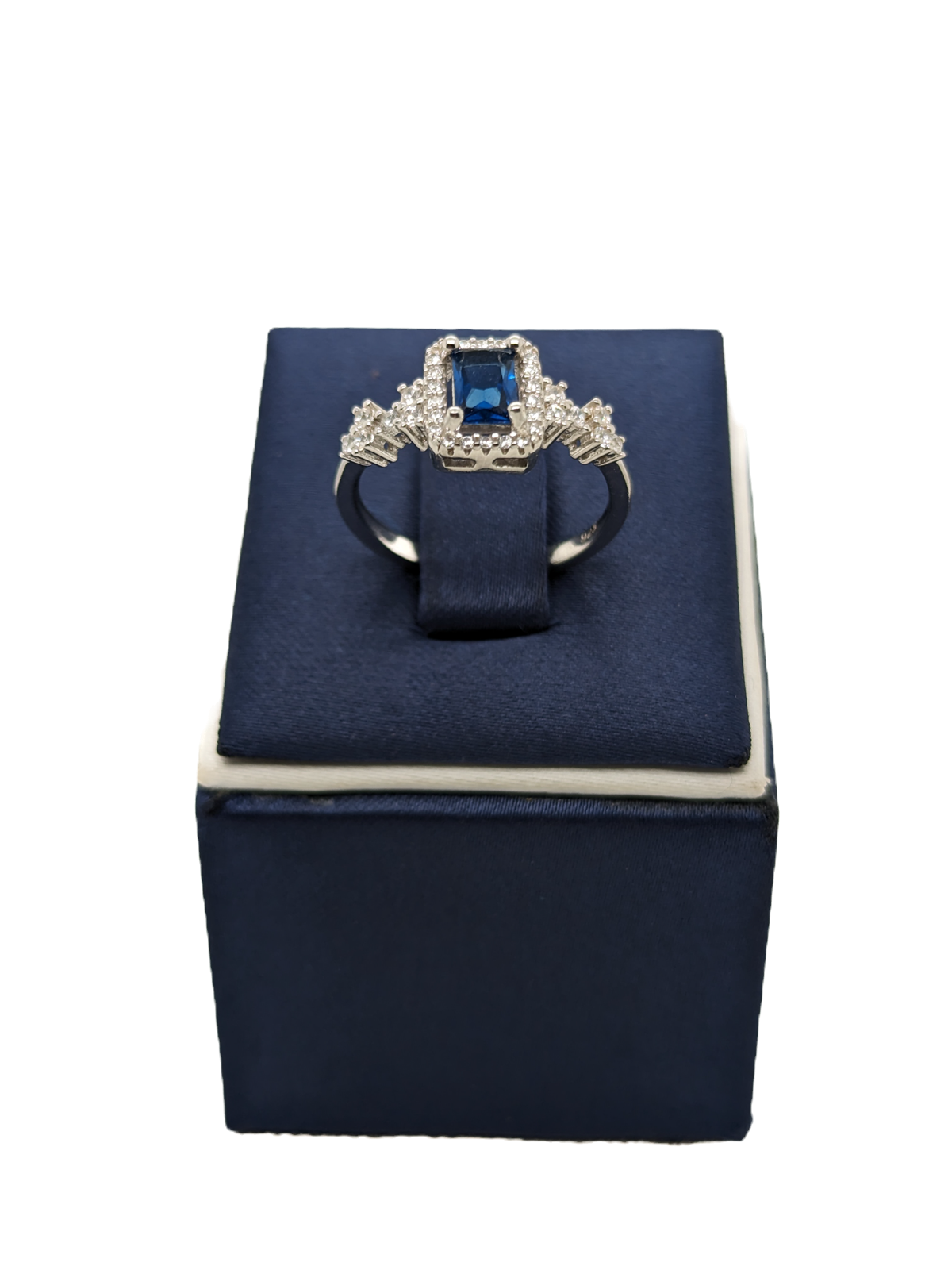
Silver Oak’s Aura collection is built around tanzanite, tsavorite and lotus garnet, all set in 925 sterling silver. Tanzanite and tsavorite both come from East Africa, so you can wear a piece of the story described above. The Wild Within collection turns to a different kind of story, with Big Five animal pendants and Maasai-inspired rings that put pride and place on the wrist or the finger.
If you want to see more coloured stones, browse our rings, or look through the whole shop. Every piece carries the 925 stamp, and the gram weight is shown on the invoice. Our in-house workshop in Nairobi makes the signature collections, building on a family craft that began in Mombasa in 1920.
The history also gives you a simple way to choose. Pick the story that speaks to you and let it guide the colour. If you like the idea of a protective stone, look at deep reds and blues. If you want a sign of renewal, look at greens. If calm matters most, blue and violet are the old favourites. None of it is science, and all of it is part of why a stone feels like more than decoration.
Frequently asked questions
What is the oldest known use of gemstones in jewellery?
Coloured stones were worn by ancient Egyptians, who set carnelian, lapis lazuli and turquoise in amulets and jewellery for protection. Nobody can name a single first use, because early people were already collecting and wearing attractive stones long before written history. What we can say is that meaning and beauty were tied together from the start.
What gemstones are found in Kenya?
Kenya is best known for tsavorite, a green garnet named after Tsavo. Other coloured stones such as garnets, tourmaline, sapphire and ruby have also been found in parts of the country. Not every stone is mined at jewellery scale, so ask when you shop where a specific stone comes from.
Why is tanzanite found only in Tanzania?
Tanzanite forms under a rare set of geological conditions, and the Gemological Institute of America notes that its only known source is near Mount Kilimanjaro in Tanzania. That rarity is part of why it feels special. Silver Oak sets tanzanite in 925 sterling silver in the Aura collection.
What does the 925 stamp on a gemstone ring mean?
The 925 stamp tells you the metal is sterling silver: 92.5 percent silver with the remaining 7.5 percent usually copper for strength. At Silver Oak the stamp is on the piece, and the gram weight is shown on your invoice, so you can see exactly what you are buying.
How do I look after a gemstone set in silver?
Wipe it with a soft cloth after wearing, store it on its own, and keep it from perfume, lotions and chlorine. You can bring any Silver Oak piece to a branch to be cleaned and polished free for as long as you own it. Our care page has the full routine.
Wear a stone with a story
Whether it is a green stone for a fresh start or a blue one for calm, a gemstone carries centuries of meaning into the present day. Visit a Silver Oak branch in Nairobi to see the stones in person and ask the team about their origin and meaning. You can also message us on WhatsApp 0796 431 553 or start with the Aura collection online.