 SILVER OAK
Quick answer
A quartz watch runs on a battery and a vibrating crystal, which keeps time very steadily with little upkeep. An automatic winds itself from the motion of your wrist. A mechanical watch is wound by hand through the crown. All three are sound choices, and the right one depends on how you like to wear and care for a watch.
Every watch has an engine inside the case, and that engine decides how the watch behaves on your wrist: how steady the time is, how much care it asks for and how it feels to live with. This guide to watch movements explains each type in plain words, so you can choose well from the Seiko, Citizen, Casio and Fossil watches at Silver Oak in Nairobi.
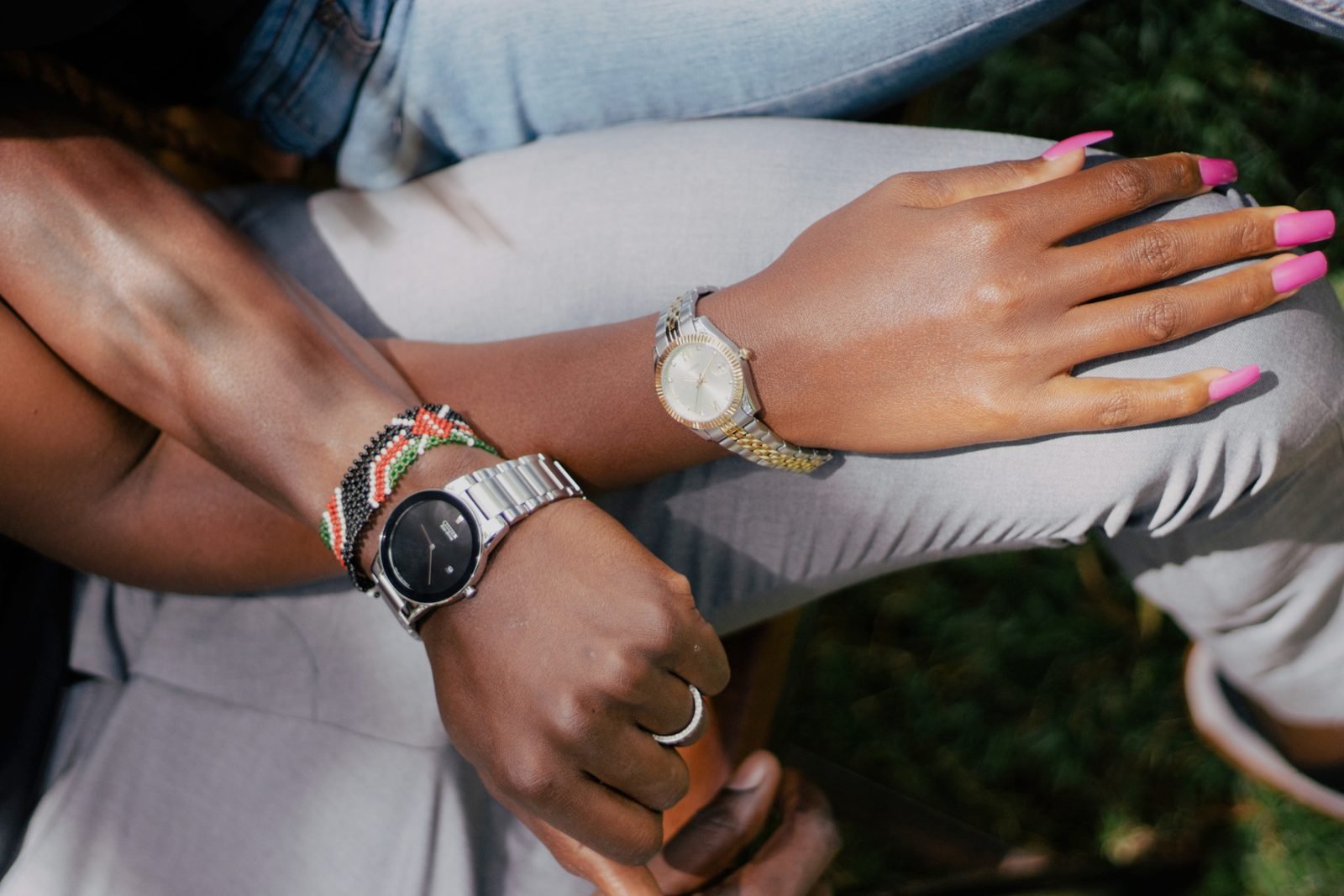
What is a watch movement?
The movement is the mechanism inside the case. It drives the hands, keeps the time and runs extras such as the date or a stopwatch. Watchmakers also call it the calibre. Whichever name is used, it is the part of the watch that does the work.
Three types cover almost every watch you will meet in a shop: quartz, automatic and mechanical. They differ in where the power comes from and how the time is regulated. That one difference explains the sound, the upkeep and the character of each.
How does a quartz watch work?
A small battery sends current through a sliver of quartz crystal. The crystal vibrates at a fixed, very fast rate, and a circuit counts those vibrations and moves the hands in even steps. Because the crystal is so steady, quartz is the most accurate everyday movement.
You can usually spot a quartz watch by its second hand, which ticks once a second in a small, neat jump. Seiko was one of the makers that brought quartz to the wrist, and it remains the movement behind a great many slim dress watches and sports models.
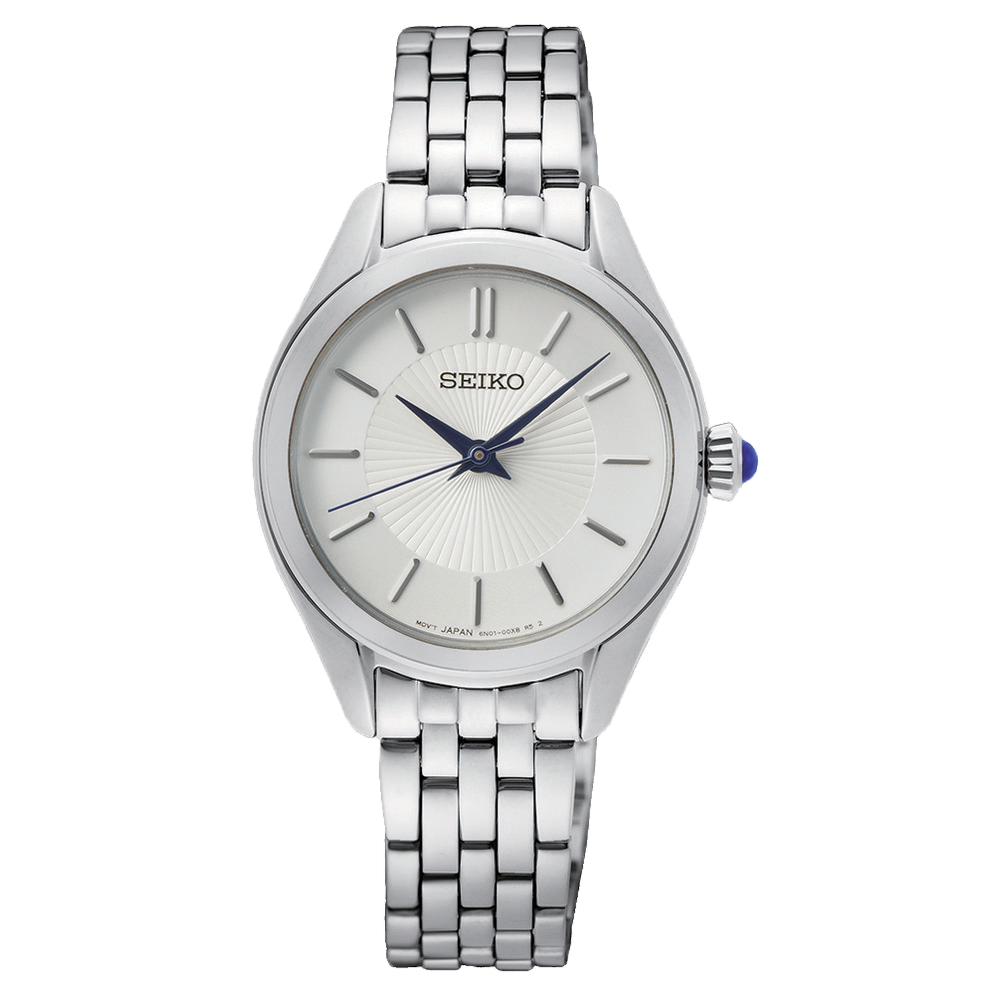
Care is simple. When the battery runs low, it is replaced and the watch carries on. A quartz watch has few moving parts, so it copes well with the knocks of a busy day.
How does an automatic watch wind itself?
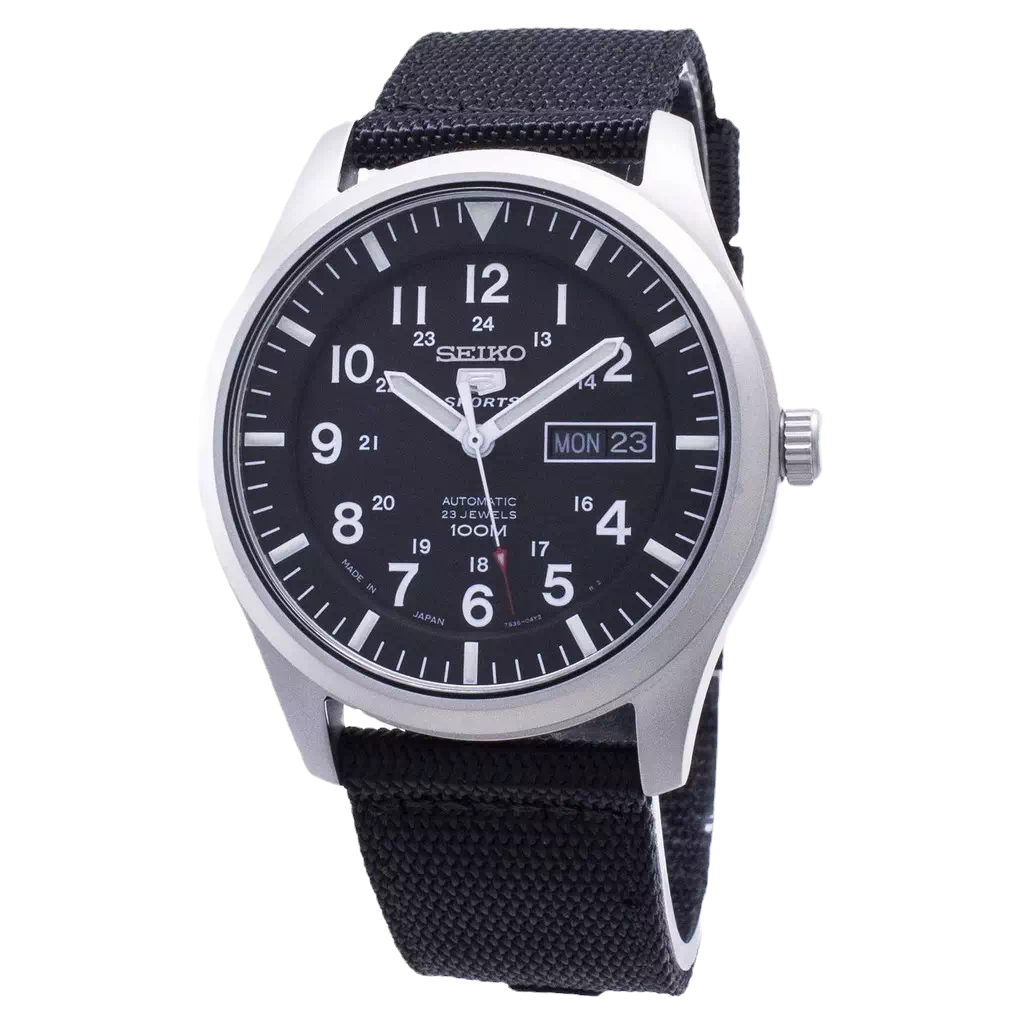
An automatic watch, also called a self-winding watch, is a mechanical watch with a clever addition. Inside the case sits a weighted rotor that swings as your arm moves. Each swing winds the mainspring, which stores the energy that drives the gears. There is no battery, and the full story is on the automatic watch page.
Wear it most days and it keeps running. Leave it in a drawer for a while and it will stop, then start again once you shake it, wind the crown a little or wear it for a few hours. Many owners enjoy the smooth, sweeping second hand and the sense that the watch is powered by them.
What is a mechanical watch?
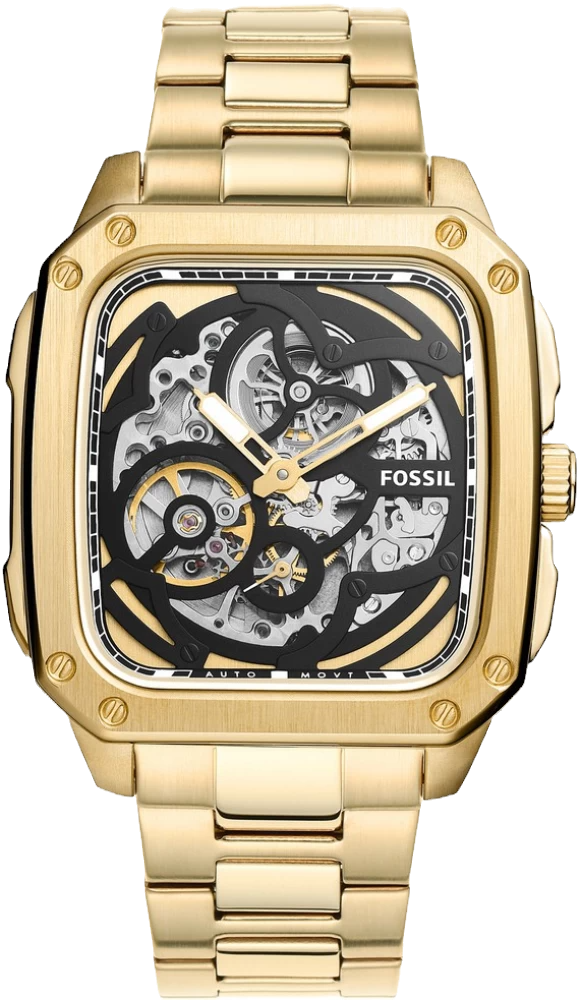
In everyday talk, a mechanical watch means a hand-wound one. You turn the crown each day or two, and a tightly coiled spring releases its energy slowly through a train of tiny gears. A balance wheel regulates the pace so the hands move at an even rate.
It is the oldest way of keeping time on the wrist, and many people love it for the ritual. Winding the watch becomes part of the morning. Some makers add a skeleton dial or a clear case back, so you can watch the gears work.
Automatic and mechanical: what is the difference?
Both use a spring, gears and a balance wheel. The only real difference is the winding. A hand-wound watch needs the crown turned. An automatic does most of that work for you, which is why it suits daily wear better.
Which watch movement suits you best?
Think about your week rather than the technical details. These questions help.
- Do you want to forget about the watch? Choose quartz. It starts the day with you and asks for very little.
- Do you like a bit of craft on the wrist? Choose an automatic. It rewards regular wear and looks lovely in motion.
- Do you enjoy a daily ritual? Choose a hand-wound mechanical and make winding part of getting dressed.
- Do you swap between several watches? A quartz is easier to pick up and wear at once, while an automatic may need setting again.
None of these ranks above the others. A quartz watch is not a lesser watch, and an automatic is not automatically better. Dial, case, strap and the way the piece sits on your wrist matter just as much. To compare styles side by side, explore the Citizen, Casio and Fossil collections.
How do you look after each movement?
Whatever is inside, a few habits protect your watch.
- Keep it away from strong magnets, such as speakers and some phone cases, which can disturb a movement.
- Avoid hard knocks on door frames and gym equipment.
- Check the water resistance written on the dial or case back before swimming or showering.
- Have automatic and mechanical watches looked at by a watchmaker from time to time, since the movement benefits from cleaning and fresh oil.
If you are unsure which movement a particular watch uses, ask a member of the team at a Silver Oak branch. It is usually printed on the dial or case back, and the team will happily show you.
Frequently asked questions
Which watch movement is the most accurate?
Quartz is generally the most accurate everyday movement, because a vibrating crystal keeps a very steady rhythm. Automatic and mechanical watches are regulated by a spring and balance wheel, so they can drift a little more and may need occasional adjusting. If you want a watch that simply stays on time, quartz is the simplest choice.
Do automatic watches need a battery?
No. An automatic watch has a rotor that spins as you move your wrist and winds the mainspring, which stores the power. If you wear it regularly it keeps running. If you leave it unworn for a while it may stop, and you can restart it by winding the crown or wearing it again.
What is the difference between an automatic and a mechanical watch?
Both are driven by a spring, gears and a balance wheel. A mechanical watch is wound by hand through the crown. An automatic adds a rotor that winds the spring from your wrist movement. For daily wear most people find the automatic more convenient, while others enjoy the habit of winding.
Which watch movement is best for everyday wear in Nairobi?
For busy days, quartz is the easiest: it copes with commutes, dust and the occasional knock, and it needs no winding. An automatic also suits daily wear if you put it on most mornings. Ask at a Silver Oak branch to try a few on and compare the feel.
Is a quartz watch less luxurious than an automatic?
No. The movement describes how a watch is powered, not how well it is made. A quartz watch can have a beautifully finished dial, a refined case and a comfortable bracelet. Judge the whole piece: the design, the materials, the finish and how it feels when you wear it.
Find the movement that fits your wrist
The best watch is the one you reach for without thinking. Come into any Silver Oak branch in Nairobi, try a few movements on your wrist and ask the team how each one behaves. You can also browse the full shop or message us on WhatsApp at 0796 431 553 with the style you have in mind. For a look at Seiko’s own range, visit Seiko Watches.